Portugal
Lisbon
Can a historic ice-cream city and a new craft generation create a world contender?
Lisbon's claim is not volume or fashion. It is an unbroken Italian-emigrant gelato lineage still in the founding families' hands and still made by hand inside the city. The Sala family arrived from the Veneto in 1933 with the recipes and the machinery in a ship's hold; the fourth generation still toasts almonds in the original copper pots. The Tarlattini family came from Tuscany in the 1940s, and the third generation still makes the gelato himself, in a nine-square-metre kitchen, from recipes that were never written down. Onto that sits a second Italian wave since 2013, most of it producing on the premises it sells from.
Last checked 2026-08-21
The selected spots
10 selected
- 01

La Fabbrica
gelato · Angelo Sala, with Joao and Clara Sala, the fourth generation
The reconstitution of a gelato factory that ran in Lisbon for sixty-three years. When the Avenida de Berna works closed in 1996 the recipes and the machinery survived, and in 2014 the family started making again — with the same copper pots, forged in Lisbon by an Italian coppersmith, still used to toast the almonds. It makes what it sells and says what is not in it.
- 02
Conchanata
gelato · Michele Tarlattini, grandson of founder Quintilho Tarlattini, who opened with Alfo Tarlattini
A Tuscan family has made gelato at this address since 1948, and the third generation still makes it himself in a kitchen of about nine square metres, from recipes nobody has ever written down. It shuts from December to February. That is what seasonality looks like when a shop means it.
- 03
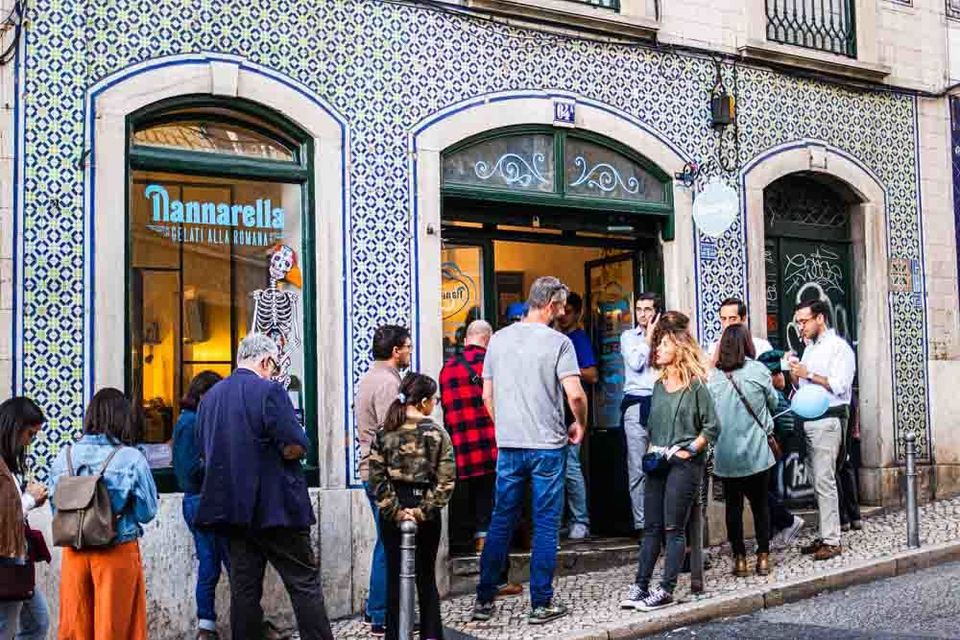
Nannarella
gelato · Costanza Ventura
Roman gelato served with a spatula, made in front of you by an owner who has argued in public that Portugal should legally define what artisanal gelato means — an unusually direct transparency signal in a category where the phrase is unregulated. The fruit comes from one named supplier at the Mercado da Ribeira; the cream is remade every two hours.
- 04
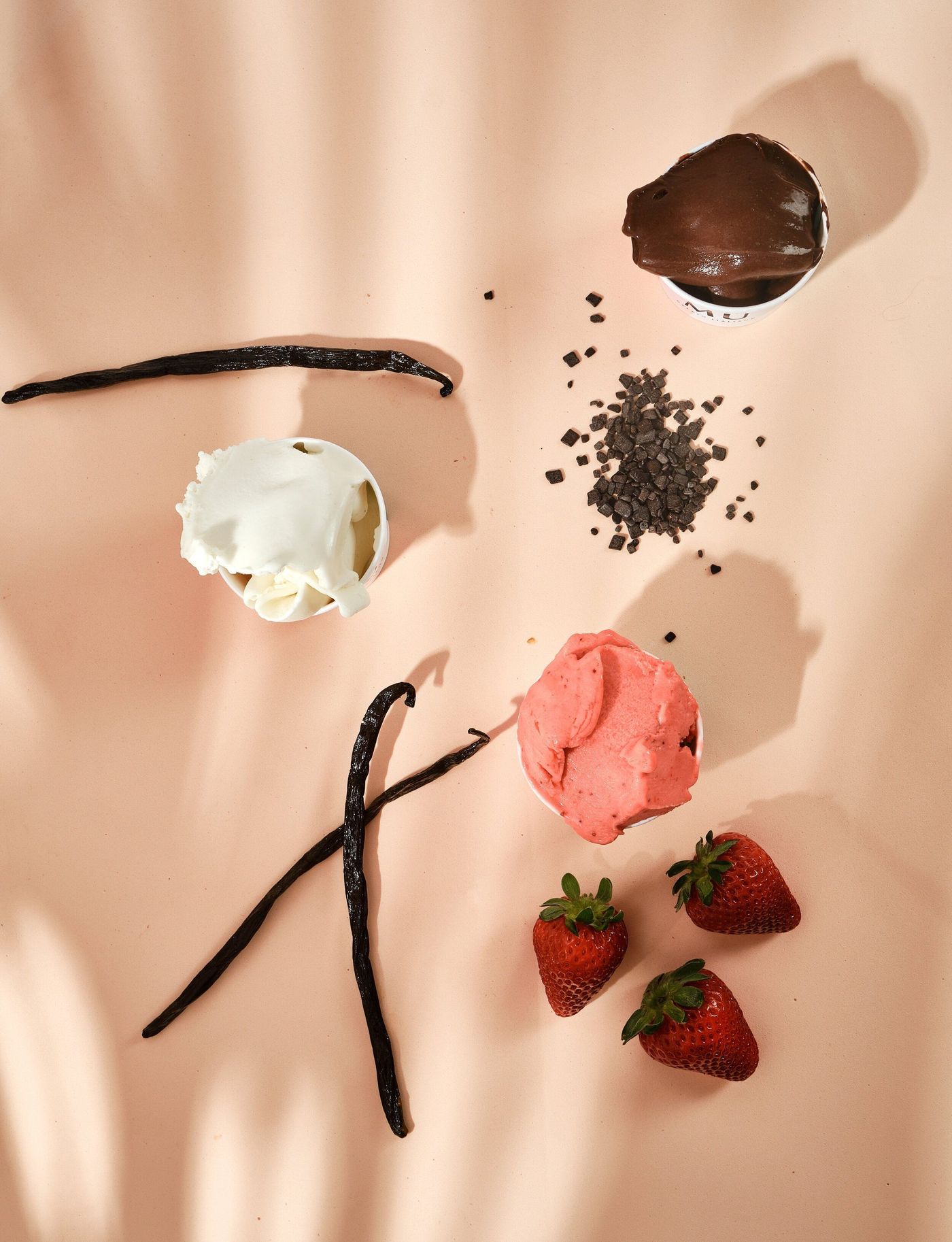
Mu Gelato Italiano
gelato · Marco Bauli and Elena Castioni, from Verona
The most explicit account of method of any gelateria in Lisbon: the mix rests overnight for twelve hours, then is pasteurised and churned in front of you, every day. Two makers from Verona, producing where they sell, and naming which ingredients are Portuguese and which are not.
- 05
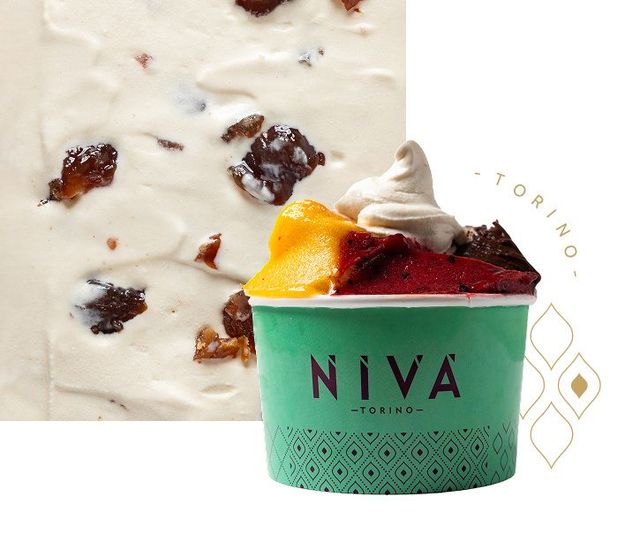
Nivà
gelato · Dalia Rivolta and Matheus Oliveira, of the Rivolta family of Turin
A Turin family that makes a cremeria rather than a gelateria — the texture held deliberately at something closer to frozen mousse, with the process changed flavour by flavour. About twenty of a hundred-odd house recipes are made each morning in the shop's own kitchen, and each batch is gone within a day or two.
- 06
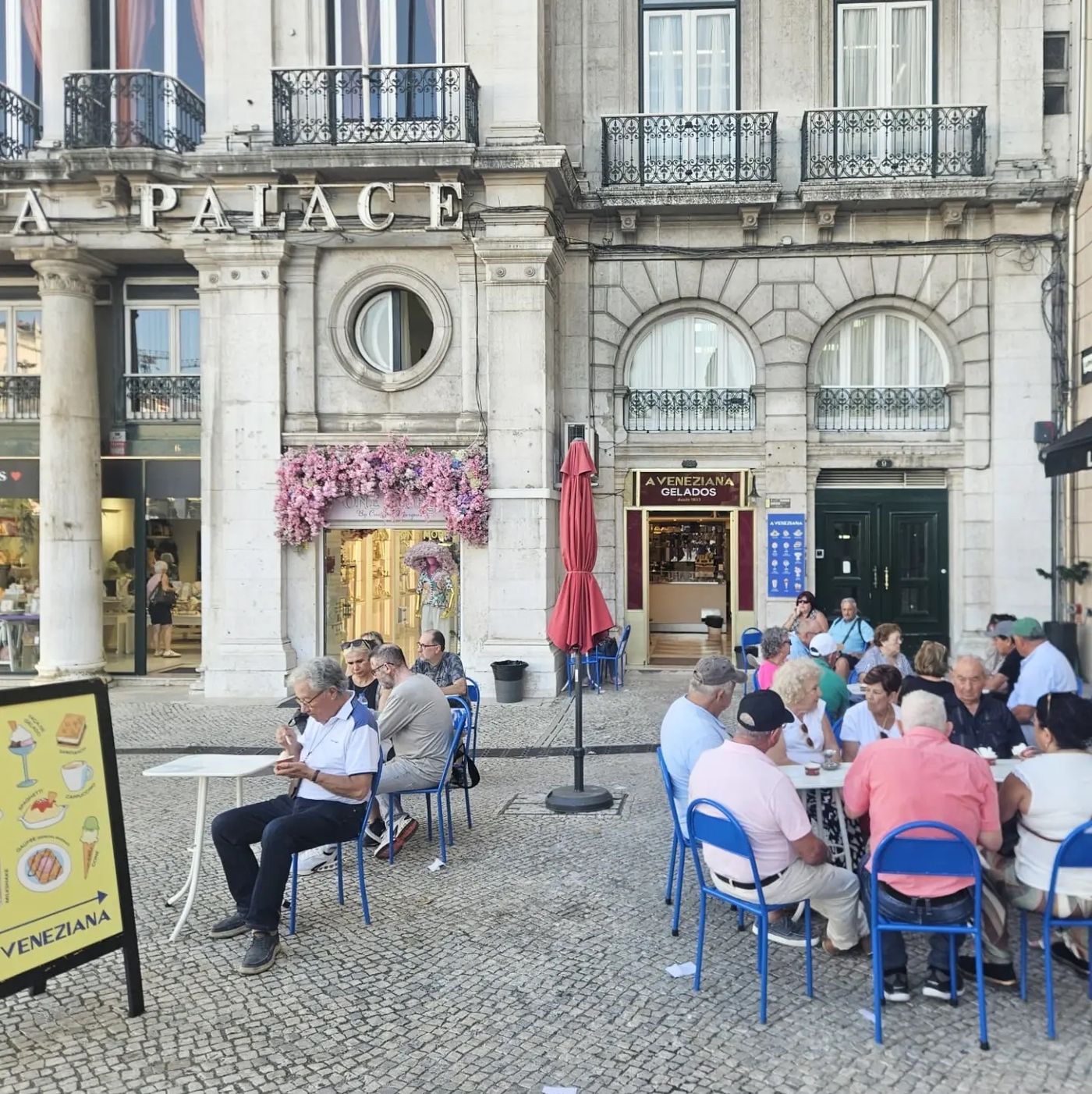
A Veneziana
gelato · Founded by Giovanni De Luca with his cousin Luigi Sala and Luigi's father Arcanjo Sala; run today by the fourth generation
Lisbon's oldest gelateria, and possibly its first. Giovanni De Luca left the Italian Alps for America, chose to sail from Lisbon, and never got on the boat — he opened here in 1933 instead, with his cousin and his cousin's father. The carts they sold from in the first years are still the decoration, and the recipes in the window are still the original ones.
- 07
Dona Nora
gelato · Eleonora Azzalini
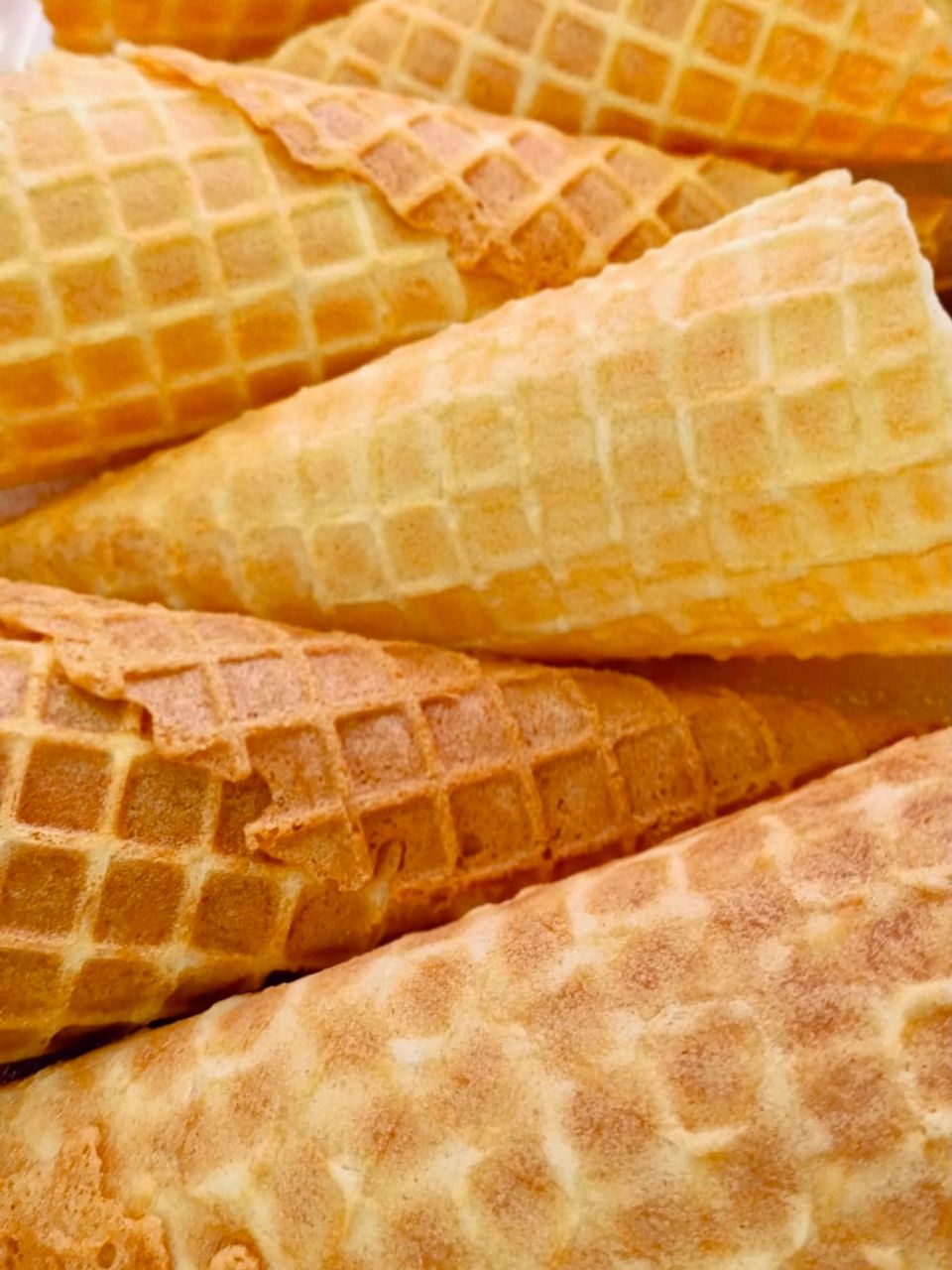
The cones are made by hand while you wait, still warm, scented with orange blossom or lemon — the most distinctive thing anyone in Lisbon is doing. The maker left Verona in 2016 for Micronesia, ran the only Italian artisanal gelateria in Palau for seven years, and brought both the technique and the habit of building flavours from whatever the island had.
- 08
Casa do Gelado 1981
gelato
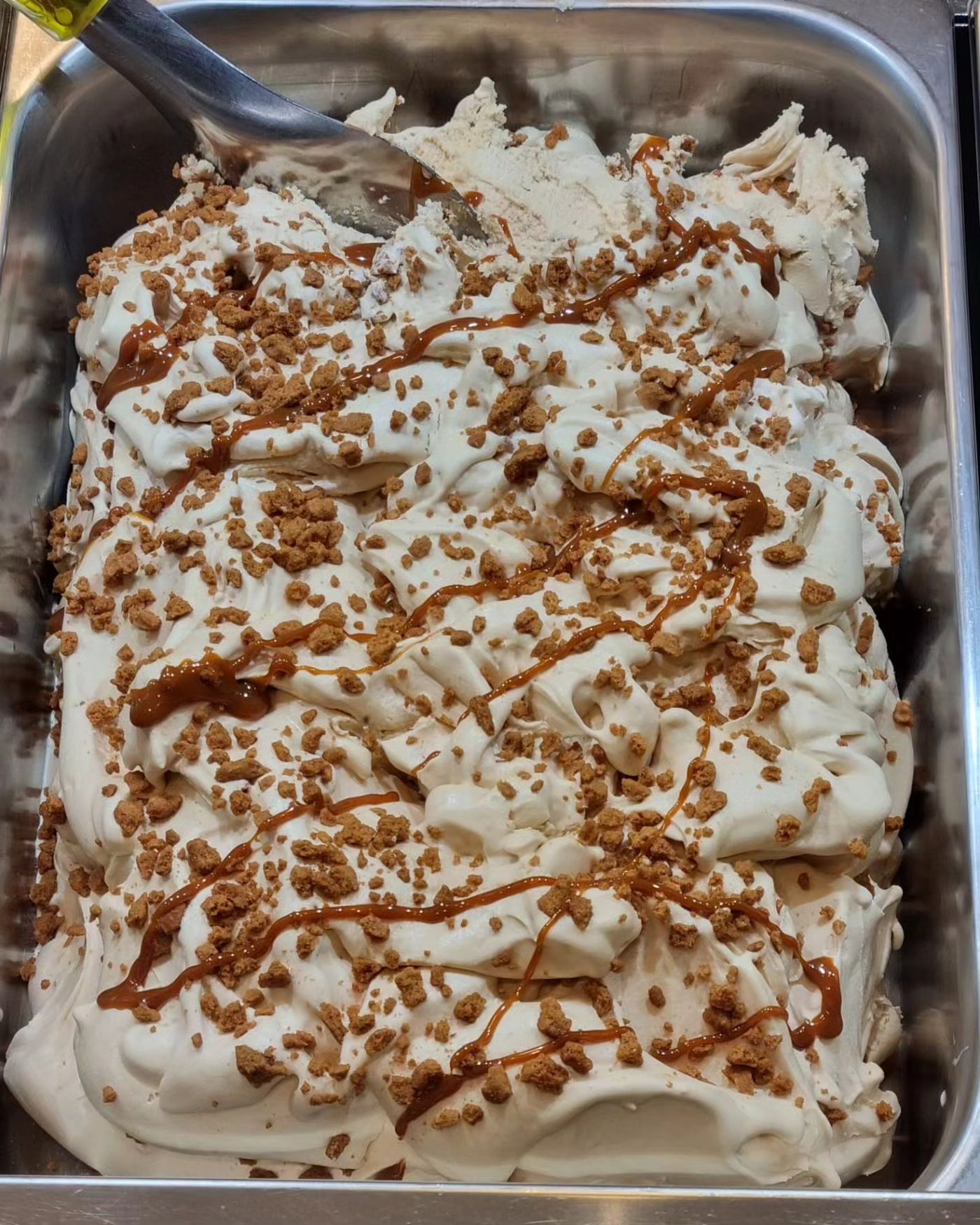
Forty-five years on Avenida de Roma and almost no reputation outside the neighbourhood, in a city where Santini and Conchanata carry the fame. The pistachio and the chocolate are the reason to come. It belongs to a wave of Lisbon gelaterias that opened as the new avenues filled in the seventies and eighties, and it is one of the few still trading.
- 09
Matoli
gelato
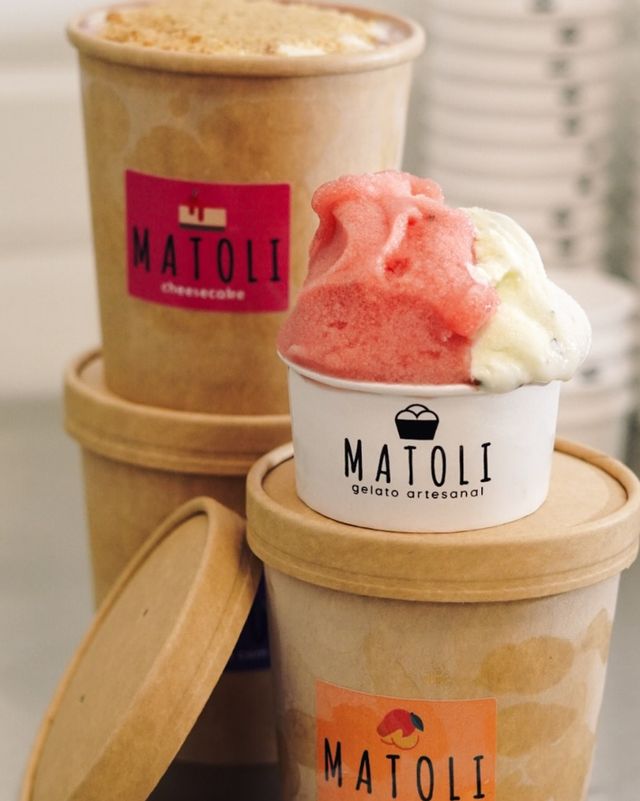
Lisbon's gelato story is Italian almost without exception, which is what makes a Brazilian gelateria behind Entrecampos worth the walk. Brigadeiro, pavê de pote, guava and cheese — made daily in small batches, alongside Brazilian sweets most of the city has never heard of.
- 10
Lumi
gelato · Luis Antunes and Jose Miguel Pereira
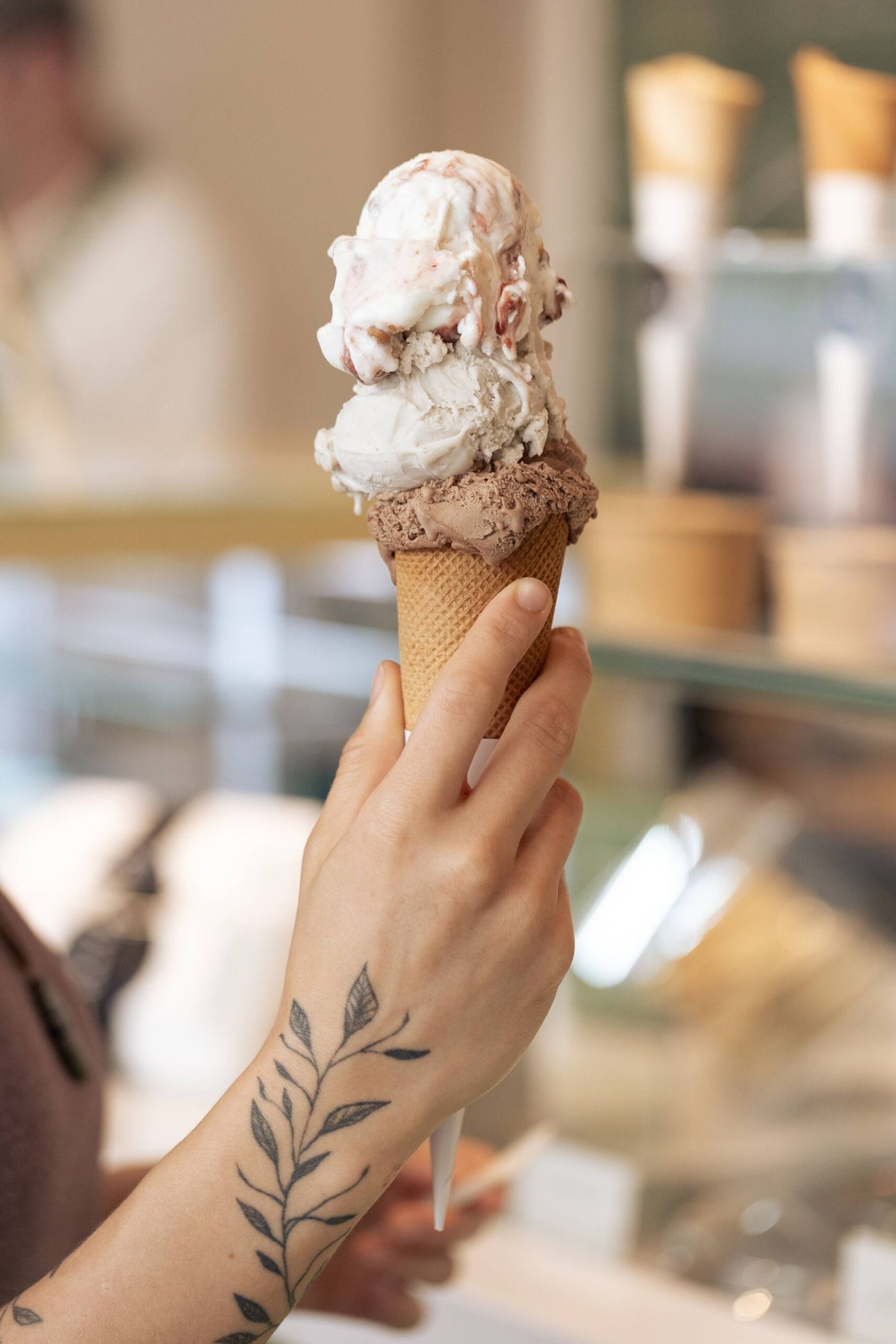
Benfica is not where anyone looks for gelato, which is rather the point. Luis Antunes and Jose Miguel Pereira build the day's flavours around whatever the neighbourhood market has that morning, and their signature is a childhood taste rather than an Italian one: orange juice, mashed banana and bolacha Maria.
Research notes
City boundary
The city of Lisbon proper. Cascais and Sintra are separate cities and their places do not count toward Lisbon.