Argentina
Buenos Aires
Can the world capital of dulce de leche helado take first place?
Buenos Aires can make a claim no other city in this project can: its oldest artisan houses are still run by the founders' own descendants, in the same rooms, on the same recipes. Heladería Saverio, founded in 1909 by Francesco Saverio Manzo and once frequented by Carlos Gardel, is Argentina's oldest continuously operating heladería. La Flor de Almagro (1933), Scannapieco (1938), Cadore (1957) and Gruta (1977) form an unbroken chain of Italian-immigrant houses now in their third or fourth generation, several still using the founder's original chocolate supplier or recipe notebook. The city's dulce de leche culture is genuinely specialist rather than singular: Cadore, Scannapieco and Gruta each sell three or more distinct dulce de leche variants — plain, granizado, and a signature composite — alongside pistachio and chocolate as co-equal flagship flavours, and Argentina's food code formally separates 'artesanal' from 'industrial' ice cream by production process, giving the specialist claim a legal backbone most cities lack. Set against that depth is a real complication the project can't wave away: Buenos Aires is also home to national chains (Persicco, founded here in 2001) that centralise production in a single plant and franchise dozens of storefronts under the same 'artesanal' label — the exact tension this project exists to adjudicate, not avoid.
Last checked 2026-08-21
The selected spots
6 selected
- 01
Heladería Saverio
helado · Roberto De Rossi, owner since 1995 (bought the shop from founder Francesco Saverio Manzo's son and grandsons)
Saverio is the deepest single data point for the 'century-old house still standing' thread of the Buenos Aires case: 115 years old as of the source, run outside the founding family since 1995 but still on its recipes, and formally recognised by the country's own artisanal-ice-cream association as the oldest in Argentina.
- 02
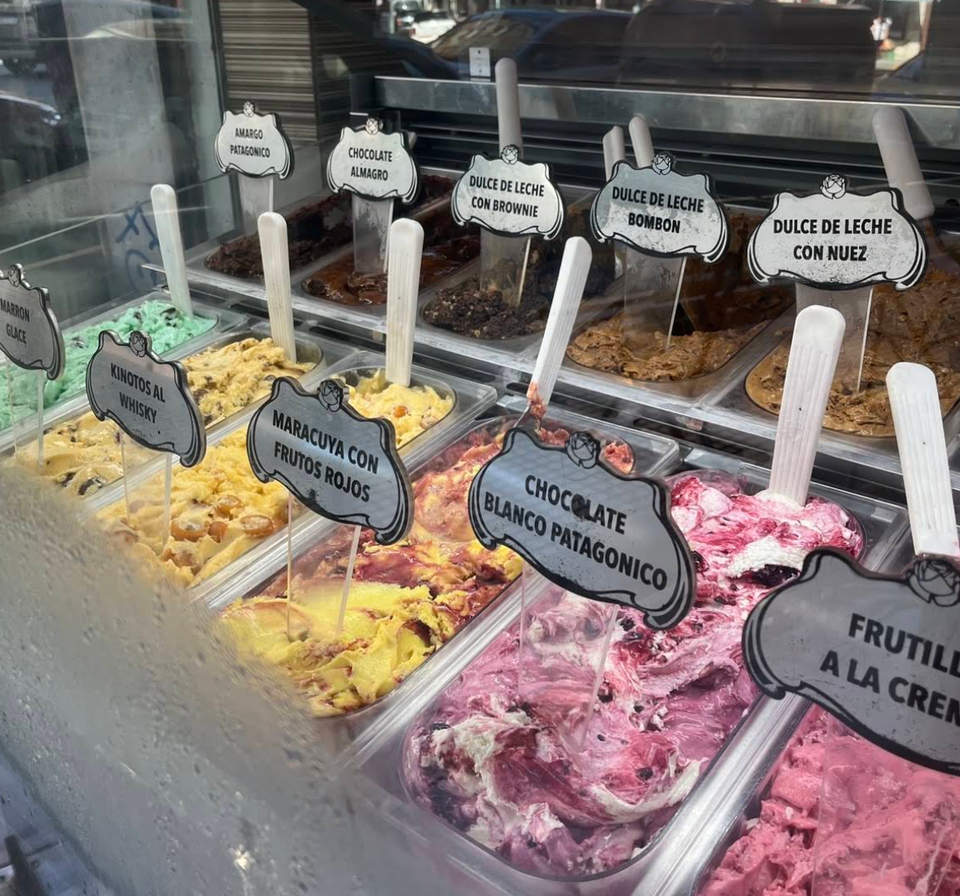
La Flor de Almagro
helado · Salvador Palazzo, maestro heladero and third-generation grandson of founder Salvador Diglietto
A ninety-plus-year, unbroken four-generation family operation, on-site since 1968, with the maker naming specific continuities (the same chocolate brand, the founder's own recipes) rather than gesturing at heritage generally.
- 03
Heladería Scannapieco
helado · Juan ('Juancito') Scannapieco, grandson of founder Andrés Scannapieco (via his son Juan), current operator
An 87-year-old family house whose current interview material is unusually explicit about the artisanal-vs-bought-base distinction, with named, dated flavour histories rather than generic heritage claims.
- 04
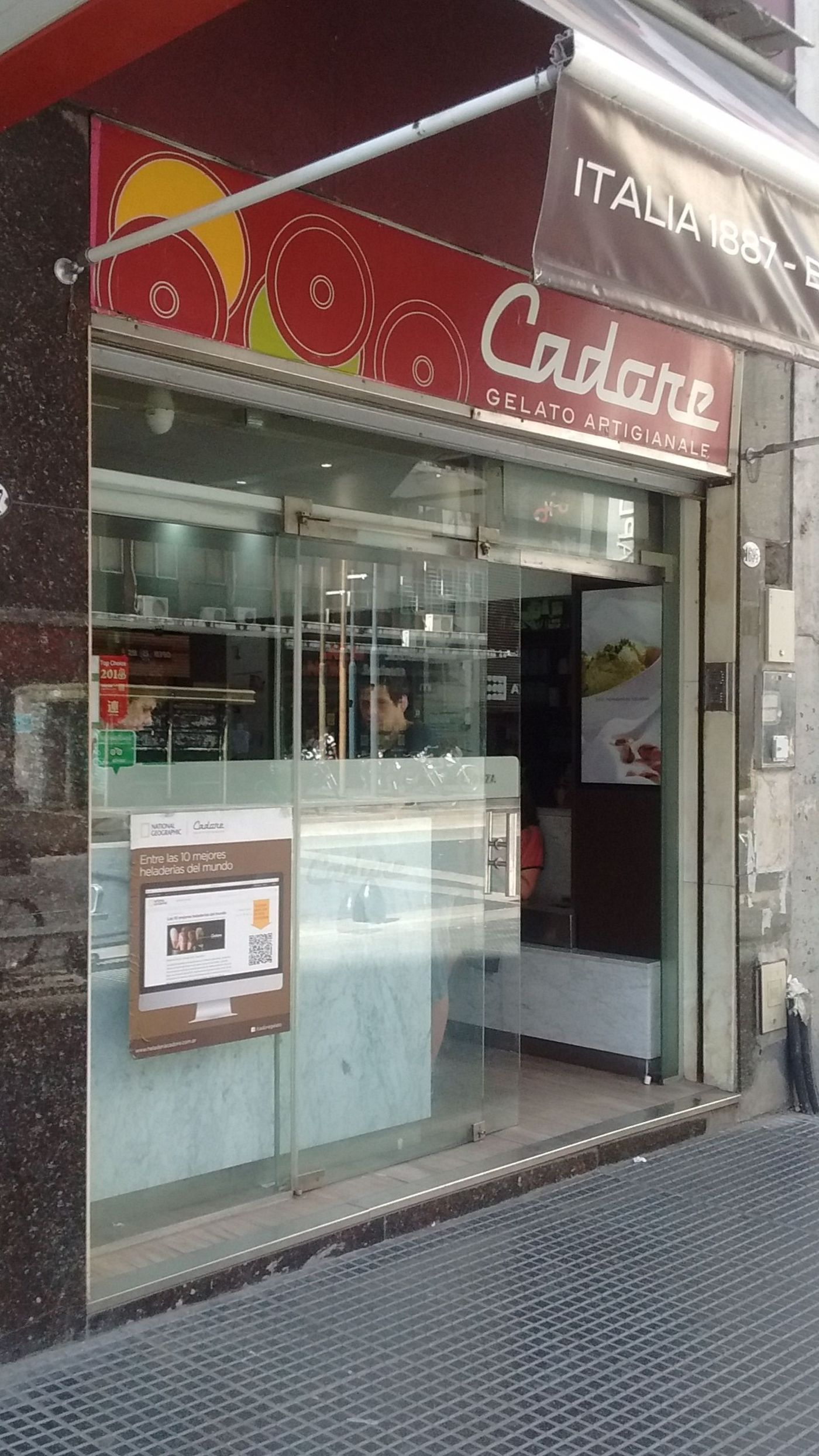
Heladería Cadore
helado · Gabriel Famá, nephew of founder Silvestre Olivotti, current operator
The clearest single statement of the 'on-site production vs bought base, single location vs chain' distinction, made by the operator himself, plus the strongest independent recognition (National Geographic, Taste Atlas) of any Buenos Aires shop in this guide.
- 05
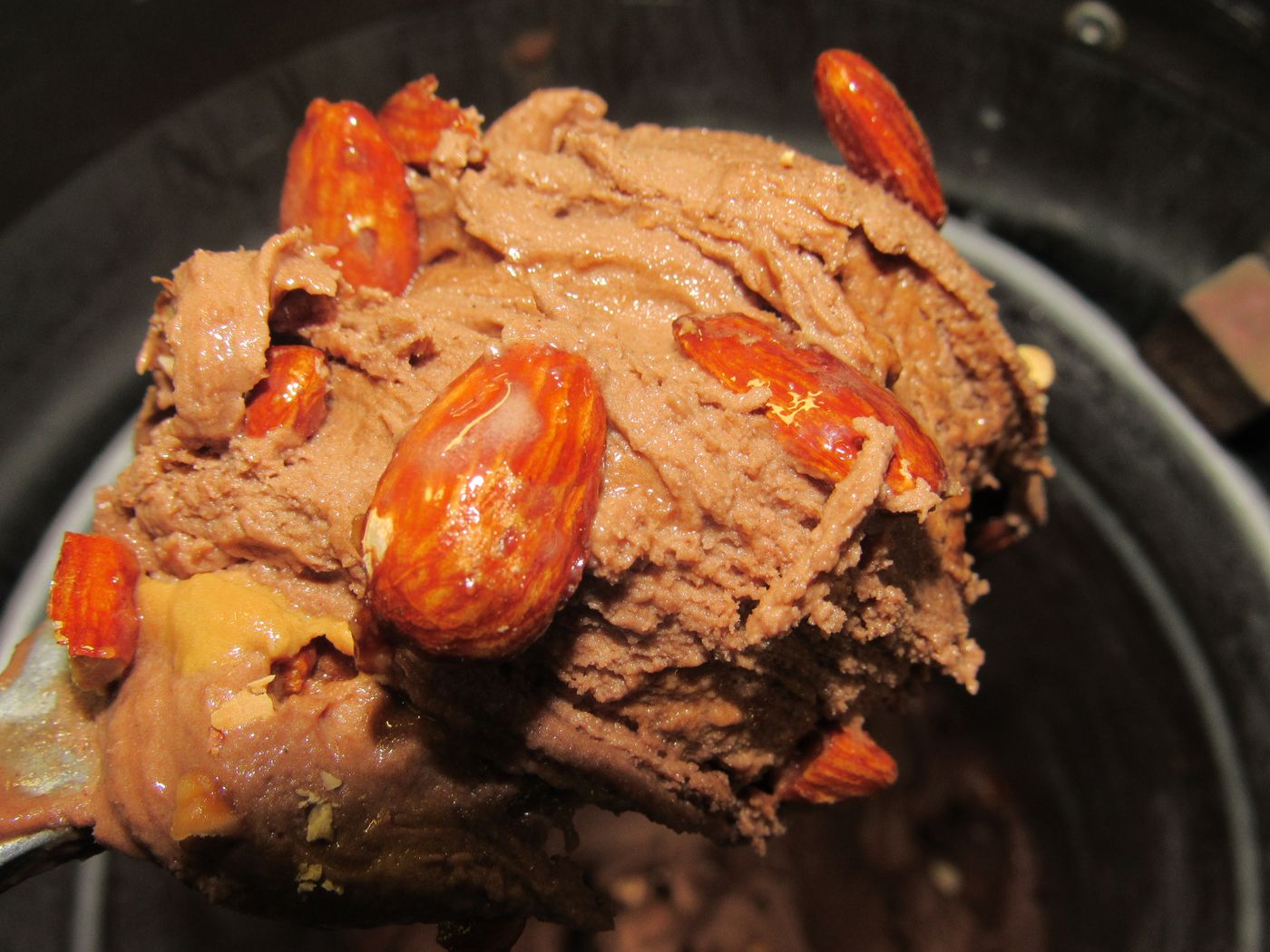
Heladería Gruta
helado · Oscar and Marcelo Ambieni, sons of founder Héctor Ambieni, current operators
A second, independent example (alongside Scannapieco) of a Buenos Aires house treating dulce de leche as a family of related flavours rather than one, with unusually granular on-the-record detail about daily production discipline from the people who actually do it.
- 06
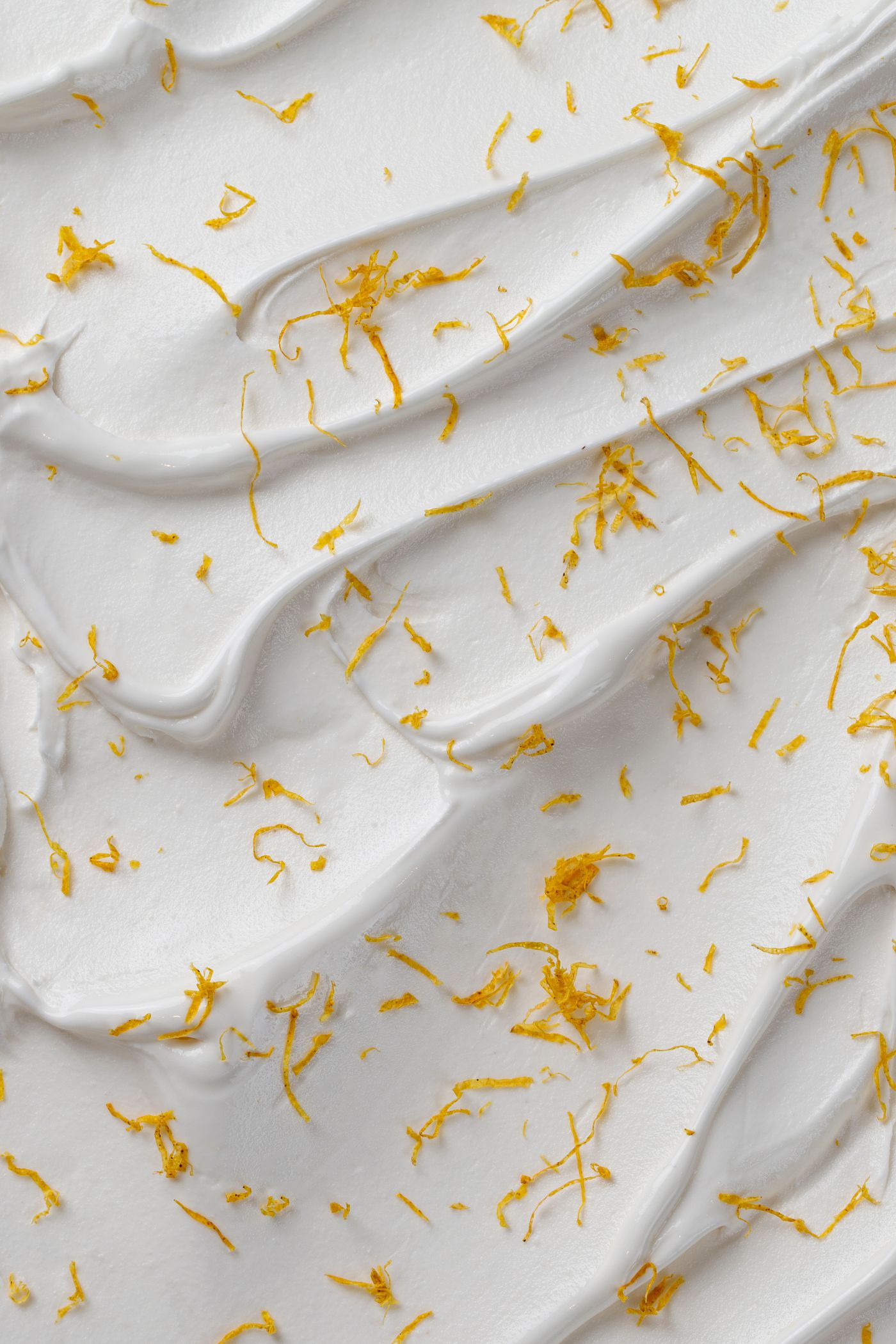
Obrador Florida
helado · Mercedes 'Mecha' Román, founder, trained in graphic design, branding and culinary arts rather than classical Italian gelato technique
The strongest distinctive-identity and seasonality case in Buenos Aires: full ingredient-level production (roasting, refining) most heladerías buy in, explicit seasonal rotation, and a founder who argues directly against the standardised classical-Italian model that defines most of the city's other heladerías.
Research notes
City boundary
The Ciudad Autónoma de Buenos Aires. Greater Buenos Aires municipalities are separate.