Brazil
São Paulo
Italian immigration built Sao Paulo's sorveterias and Amazonian fruit rebuilt them. Which is the stronger claim?
São Paulo's ice-cream culture runs on two lineages that rarely meet on the same page. One is Italian-immigrant: DAMP Sorvetes in Ipiranga was founded in 1970 by four friends — three Italians and a Brazilian, Dalton, whose combined initials named the shop — and still turns out 80 rotating flavours from a factory beside its original storefront; Bacio di Latte and San Lorenzo Gelateria were built by founders and gelatieri trained on Italian technique and machines, and San Lorenzo now carries Brazil's only back-to-back placements in the Gelato Festival World Ranking's global top 50. The other lineage is newer and argues the opposite case: Biju Mani, run by chef Guilherme Geraldini, took Brazil into the Gelato Festival World Masters' global top 10 for the first time in March 2026 with a flavour built on Amazonian cumaru and uruçu honey, and Gelateria Damazônia — a Belém house that opened its first store outside Pará in Consolação — states its whole premise as cupuaçu, bacuri and taperebá gelato made 'sem atalhos, sem intermediários' (without shortcuts, without middlemen). Between the two sits Cangote Sorvetes, a one-man Vila Buarque micro-shop built entirely on Northeastern Brazilian fruit sourced from family farmers in southern Bahia. No single shop settles which lineage is stronger; the city currently runs both at once.
Last checked 2026-08-21
The selected spots
7 selected
- 01
Sorveteria do Centro
ice cream · Jefferson Rueda (chef, also of A Casa do Porco and Bar da Dona Onça) and Janaína Rueda, owners; flavours created by Rueda together with Saiko Izawa
A chef-run ice cream shop, not a dessert-menu afterthought — Rueda and Izawa built a dedicated storefront with its own on-site production and its own invented flavour logic, distinct from the fine-dining restaurants that made the couple famous.
- 02
Frida & Mina
ice cream · Thomas Zander (production) and Fernanda Bastos, co-founders
The clearest counter-example to both the Italian and the Amazonian frame: Frida & Mina builds its identity on organic local sourcing and a French/American artisan-ice-cream lineage, and is the most chef-recommended shop in this guide.
- 03
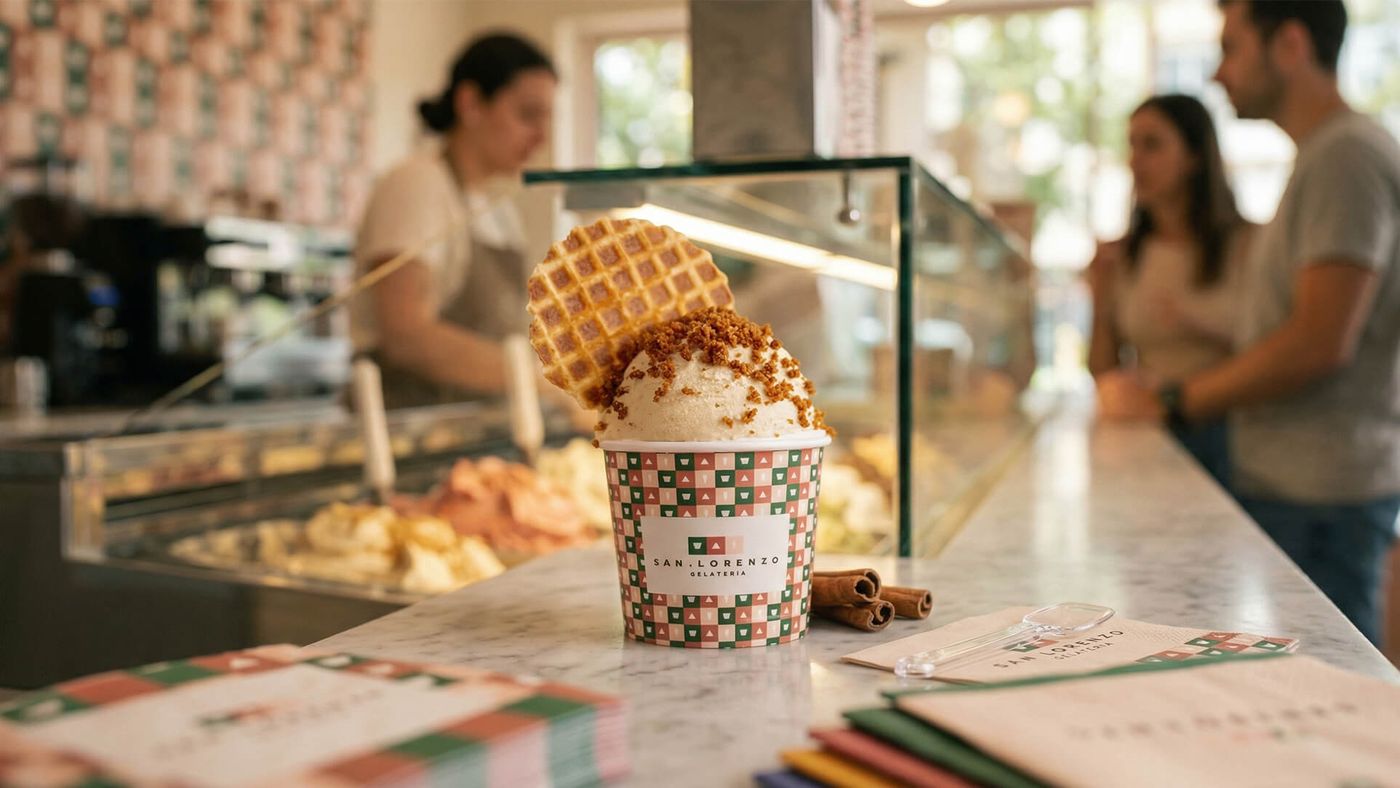
San Lorenzo Gelateria
gelato · Brenno Floriano, gelatiere; Marcelo Zangrandi (actor and TV presenter), owner of the physical stores
The strongest competition-verified maker story in the city: a single gelatiere's award-winning recipe became a shop that is now the only Brazilian gelateria with two placements in the global top 50.
- 04
Biju Mani
ice cream · Guilherme Geraldini (chef sorveteiro, founder), from Ribeirão Preto
The most decorated Brazilian-ingredient specialist in the city on competition terms — a national title in 2025 followed by Brazil's first-ever global top-10 finish in March 2026, built specifically on a Brazilian beer and Northeastern honey rather than imported reference ingredients.
- 05
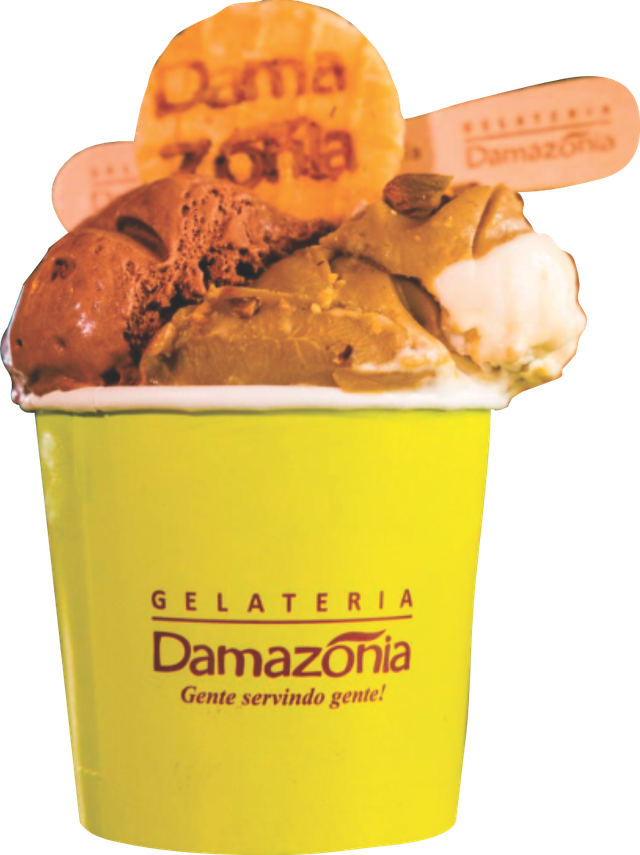
Gelateria Damazônia
gelato · Carlos Ferreira, founder (from Pará); also founded Damazônia Chocolates in 2000
The most direct claim of Amazon-sourcing in this guide — a Belém house stating explicitly that it cuts out intermediaries between the forest and the gelato case, now inside São Paulo's own city limits rather than shipped in as a guest ingredient.
- 06
DAMP Sorvetes
ice cream · Founded by four friends — Dalton (Brazilian) and Arnaldo, Masaniello and Pietro (Italian); as of a 2012 profile, only Masaniello (production) and his wife Dalmira Soares Donizi (business side) remained running the company
The most direct Italian-immigrant founding story in this guide — an ice-cream shop literally named after its four founders' initials, still family-run from beside its own factory more than five decades later.
- 07
Cangote Sorvetes
ice cream · Anderson Maciel Boeira, founder, from Feira de Santana, Bahia
A one-person shop turned specialist statement: built entirely around a Northeastern Brazilian fruit pantry that has no equivalent in the city's Italian-lineage shops, sourced directly from family farmers rather than from a wholesale pulp supplier.
Research notes
City boundary
The municipio of Sao Paulo.