Cuba
Havana
Coppelia was built to make ice cream a public right. Sixty years on, is that still the point?
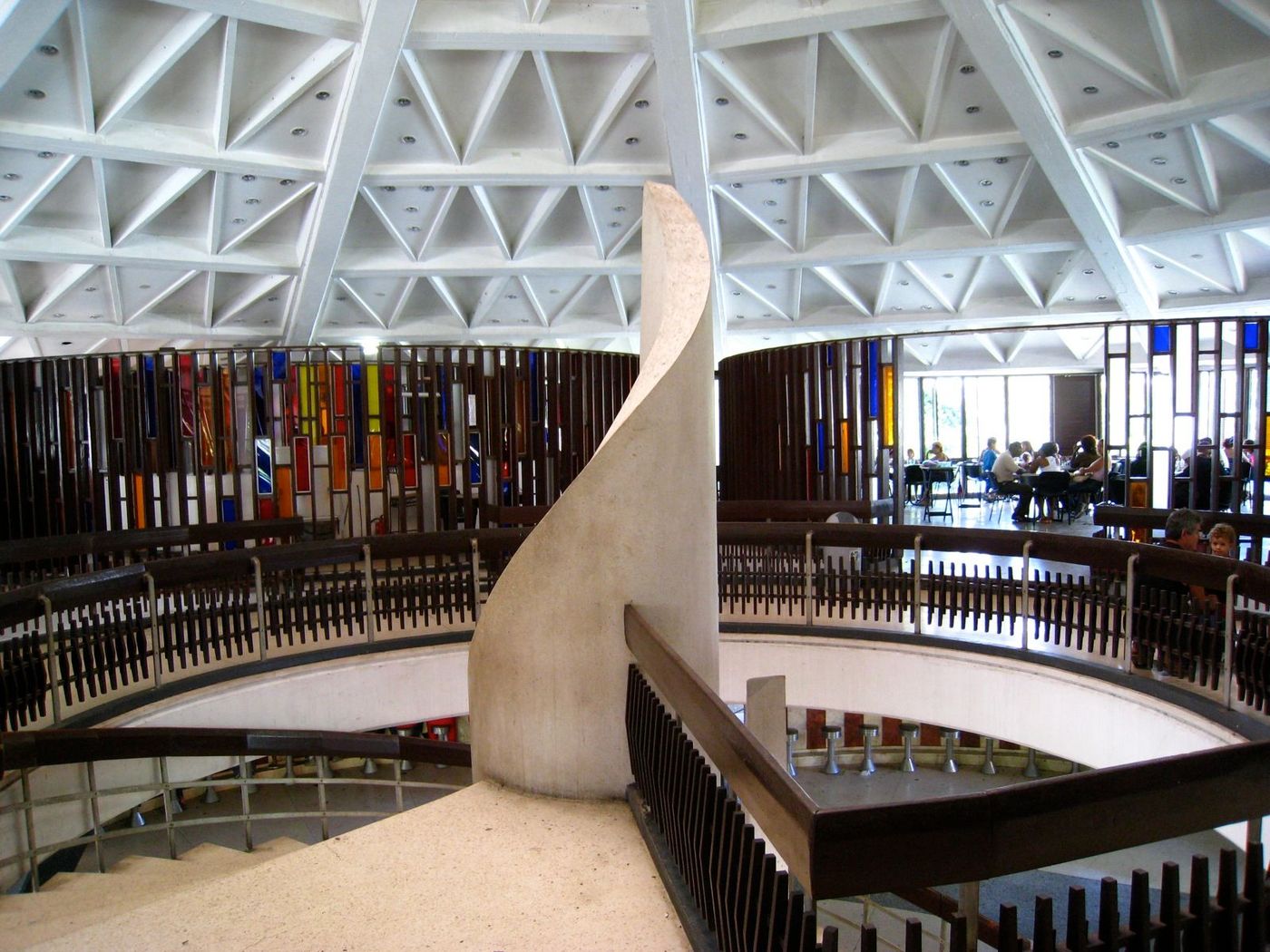
Coppelia was not built to sell ice cream but to make it a public right: commissioned personally by Fidel Castro to out-produce the American brands Cuba had just nationalised against, its spider-web concrete pavilion by Mario Girona was designed to serve over a thousand people at once at a subsidised price, in a block of El Vedado that has held the record as the largest ice-cream parlour built anywhere. Sixty years on it is still the country's central ice-cream institution and the setting of Fresa y Chocolate, but its own operators now describe quality and variety as a "permanent challenge," and it has closed outright for lack of milk and sugar as recently as late 2024 and again for weeks in early 2026. What makes Havana a live case rather than a museum piece is the private heladería scene that has grown up since the 2021 cuentapropista reforms and is, by multiple accounts, now outcompeting the state on taste even as Coppelia still outscales anyone on volume and price.
Last checked 2026-08-21
The selected spots
2 selected
- 01
Coppelia
helado
Coppelia is the record the whole Havana case rests on: an ice-cream parlour built as state ideology made edible, at a scale (a full city block, 1,200+ simultaneous customers historically) nothing else in this project approaches. Its unraveling since 2024 — repeated closures, a menu cut from 26 flavours to one, prices that have roughly tripled — is itself the most current and best-documented story about what six decades of 'ice cream as a public right' has come to.
- 02
Helados Cid
helado · Yendri (also spelled Jhendry in one source) García Cid and his brother Henrry García Cid, co-founders
Sabor Cid is the clearest documented case of the private heladería wave the cuentapropista reforms produced: a family dairy business that grew from a car trunk and a fridge into a factory and a flagship shop steps from Coppelia, explicitly positioned by the press as its successor in local esteem even though it is priced far out of reach for most Cubans.
Research notes
City boundary
The municipality of Havana.