Japan
Kyoto
Can seasonality, Japanese ingredients and precision produce the strongest city case?
Kyoto's claim is usually made on matcha. On the evidence it rests on something else: an unusually dense record of international competition results for a city this size, ingredient provenance that is named rather than gestured at, and seasonality as an operating constraint rather than a marketing line. Three Kyoto City makers hold placings at Italian competitions. Producers are named on the product. One specialist keeps almost no standing menu, retuning each recipe to the year's fruit.
Last checked 2026-08-21
The selected spots
8 selected
- 01
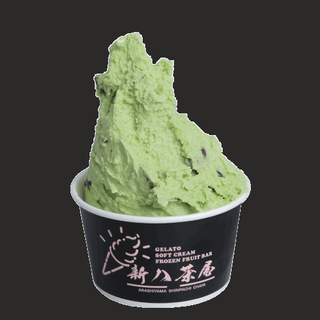
Shinpachi Chaya
gelato · Nakagawa Shohei, Gelato Maestro certified by the Japan Gelato Association
A 1941 family business at the foot of Togetsukyo bridge that turned itself into a competition-winning gelateria without leaving its own tradition. Its Kyo gelato line, running since 1993, is built on Kyoto ingredients named individually — Morika tofu, Uji tea — and its granita, made without milk, eggs, stabilisers or emulsifiers, has won in Sicily where granita comes from.
- 02
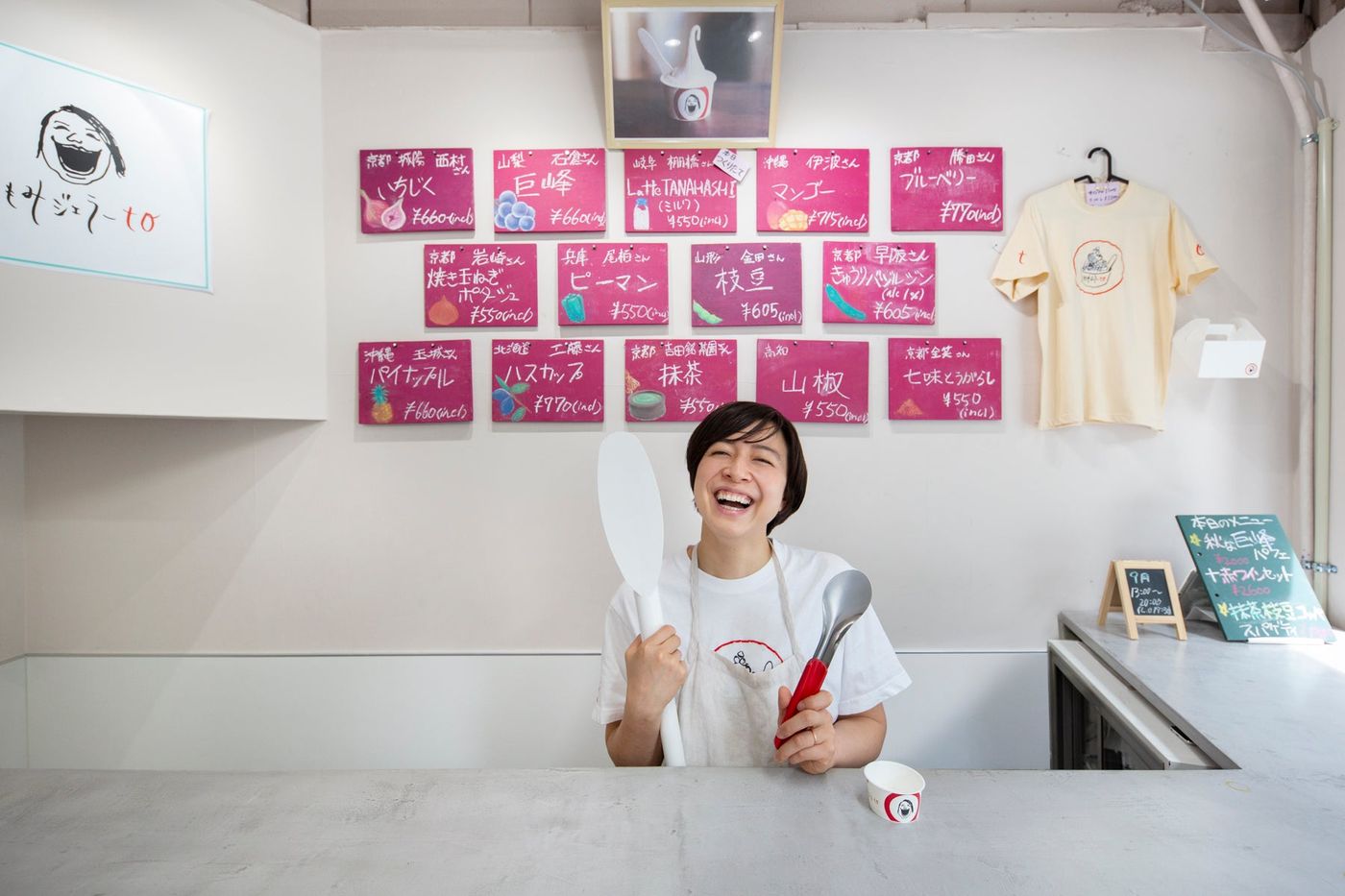
Tomomi Gelato
gelato · Morikane Tomomi
A maker who trained alone in Italy and came back to build gelato around Japanese agriculture rather than around Italian flavours. She visits the producers herself and names them on the product. There is almost no fixed menu — each year's recipe is retuned to that year's fruit — and when a batch is gone, that flavour is finished for the day rather than held over.
- 03
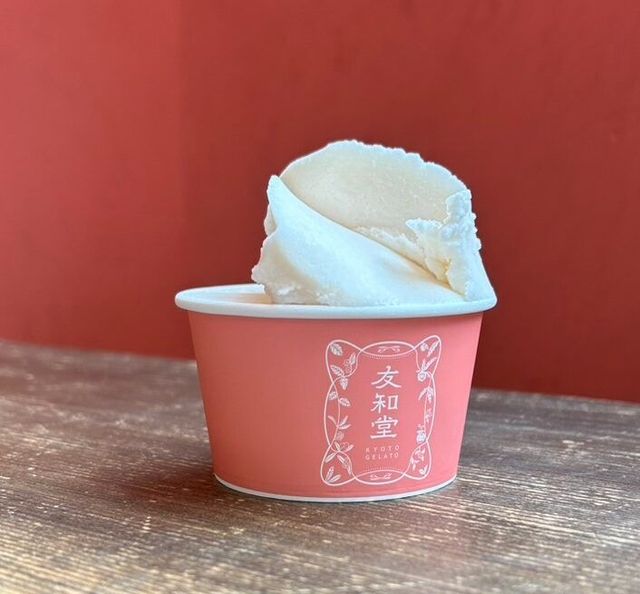
Yuwado
gelato
A neighbourhood gelateria at the west approach to Shimogamo Shrine that makes everything in the shop kitchen and says so plainly: no colourings, no eggs, sugar held down so the fruit reads. Seasonal produce comes from the Kyoto Central Wholesale Market and direct from growers, and the shop is explicit that it wants to be local rather than a destination.
- 04
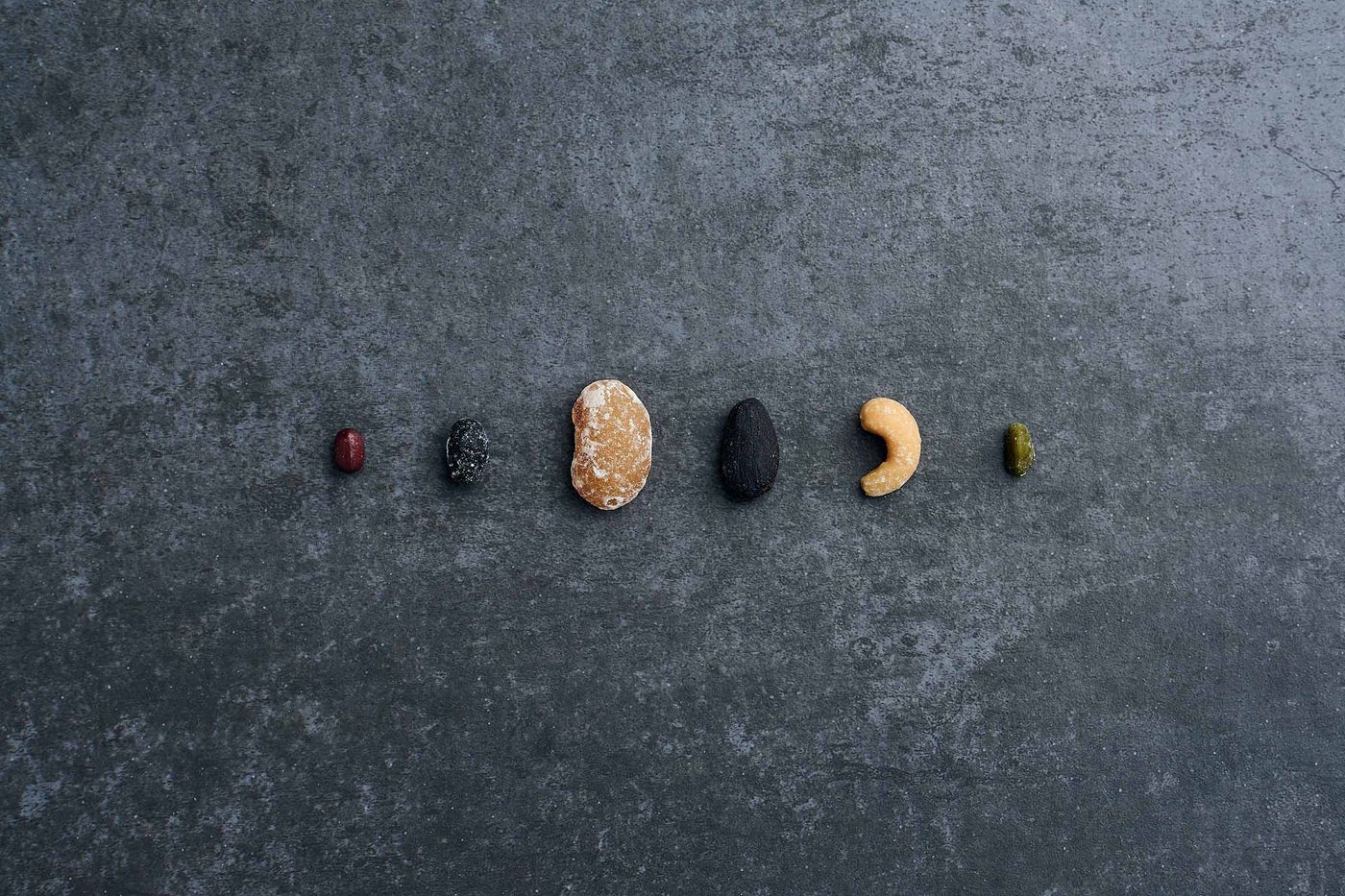
SHUKA
gelato
A hundred-year-old sweet-bean house that spent five years learning to make gelato, and made it out of what it was already throwing away. About a fifth of the formulation is upcycled syrup from the amanatto process. Every one of the six flavours names where its ingredient comes from, and the whole range is built on soy milk from a single named Kyoto producer rather than dairy.
- 05
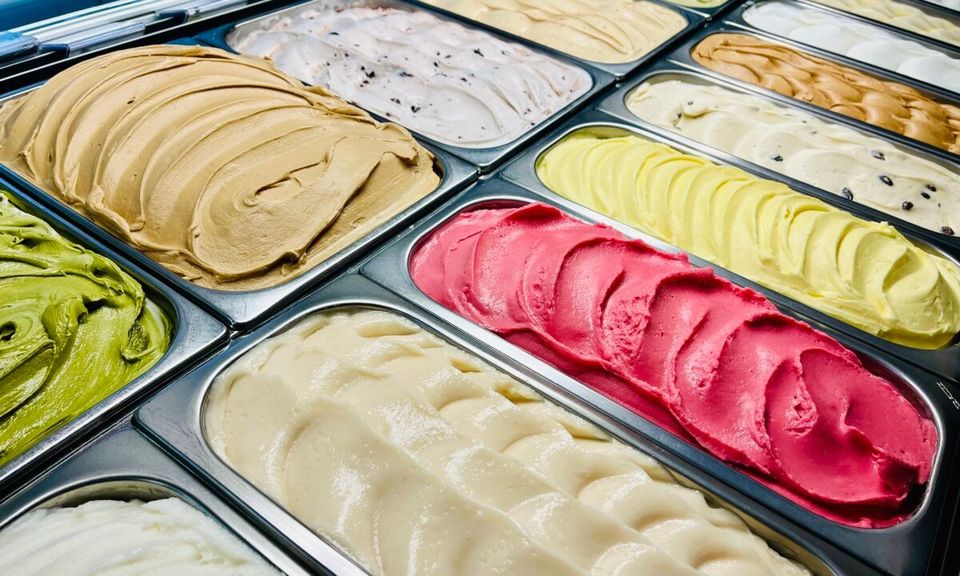
Caffellatte
gelato · Eddi, trained under Silvano, a gelatiere of forty years in the Veneto
A Venetian recipe carried to Kyoto by hand. The owner trained under a gelatiere who had spent forty years in one small town in the Veneto, then moved to Japan in 2006 with his master's recipes and opened here with his wife. Each flavour is remade every couple of days, and the matcha is built on tea from Ippodo, a Kyoto house that has been selling it since 1717.
- 06
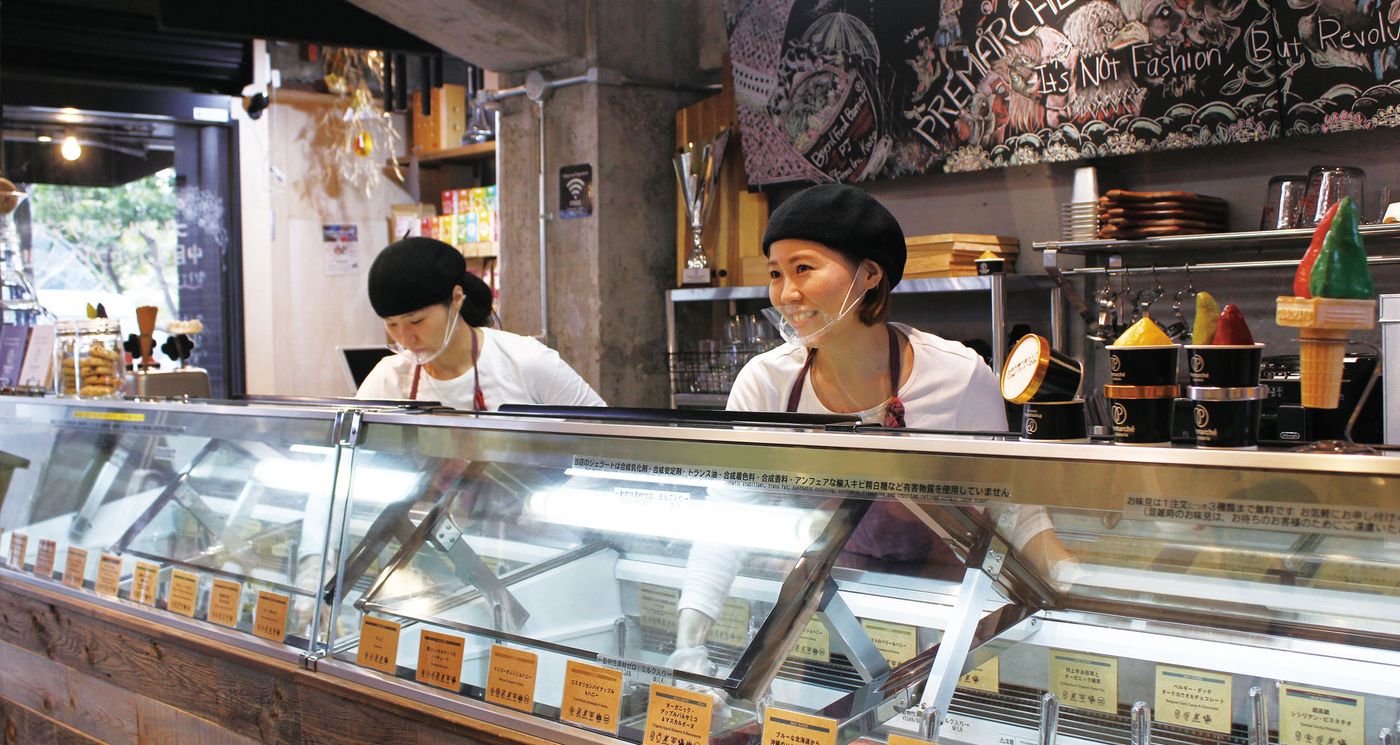
Premarche Gelateria
gelato
Placed at an Italian international competition three years running with gelato made without emulsifiers, refined sugar, flavourings or colourings — and competing against conventional entries rather than in a category of its own. In 2020 it was the only Japanese entrant to place in the chocolate compulsory category.
- 07
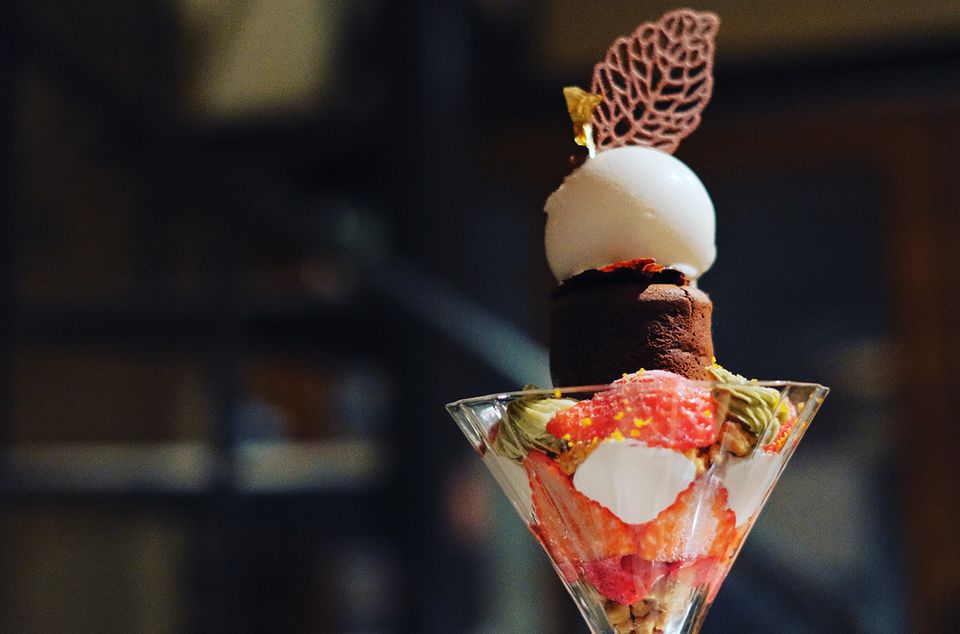
SUGiTORA
gelato
A family fruit shop stood on this site for over a century and closed in 2008. The son came back in 2017 and reopened it as a gelateria — having in the meantime represented Japan at the Coupe du Monde de la Patisserie and taken silver. About eight flavours at a time, changing with the season, and the shop closes when they run out.
- 08
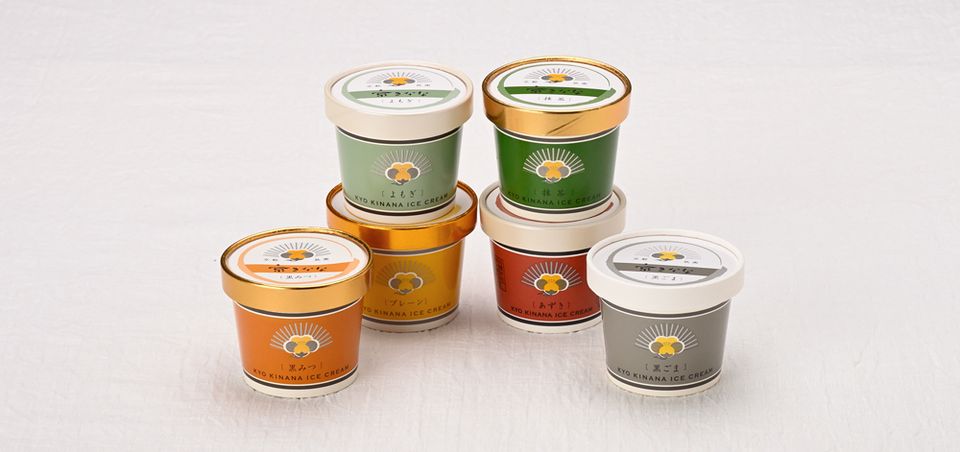
Gion Kinana
ice cream
One ingredient, taken seriously: kinako from Tamba black soybeans, in a shop that began as a dessert at the owner's slow-food restaurant downstairs. No synthetic colourings, no preservatives, no eggs, and fat kept deliberately low — and an owner who says in as many words that he refuses to trade on the words Kyoto and Gion, which in Gion is a position rather than a platitude.
Research notes
City boundary
Kyoto City. Uji and the wider prefecture are recorded separately.