Greece
Athens
Kaïmáki is set with mastic and beaten with salep, a technique the rest of Europe never took up. Does Athens still make it?
Athens carries a frozen-dairy tradition Italy never had reason to invent: καϊμάκι, thickened with Chios mastic tear and stretched with σαλέπι, brought by Constantinopolitan Greek refugees after 1922 and still made by the family that fled with the recipe. Δώρα Μάστορα's LiFO piece traces one shop, Χαρά, directly to a mother who carried the technique out of Constantinople in 1922 and to the grandson now running the counter — a living chain of custody rarer than most opening-year claims. Alongside that heritage line sits a second, newer story: Athenian gelato makers who trained in Italy (Le Greche's Evi Papadopoulou, Django's Konstantinos Karakatsanis) and then deliberately re-sourced in Greece — Volos milk, Aegina pistachio, Mytilene sheep yogurt — rather than importing. A third strand, the old γαλακτοπωλεία like Στάνη in Omonia, treats ice cream as one dish among many but a genuinely praised one, not filler. Together these give Athens a case few cities can make: an unbroken indigenous technique, a documented refugee lineage, and a modern generation actively arguing for Greek terroir over Italian import.
Last checked 2026-08-22
The selected spots
5 selected
- 01
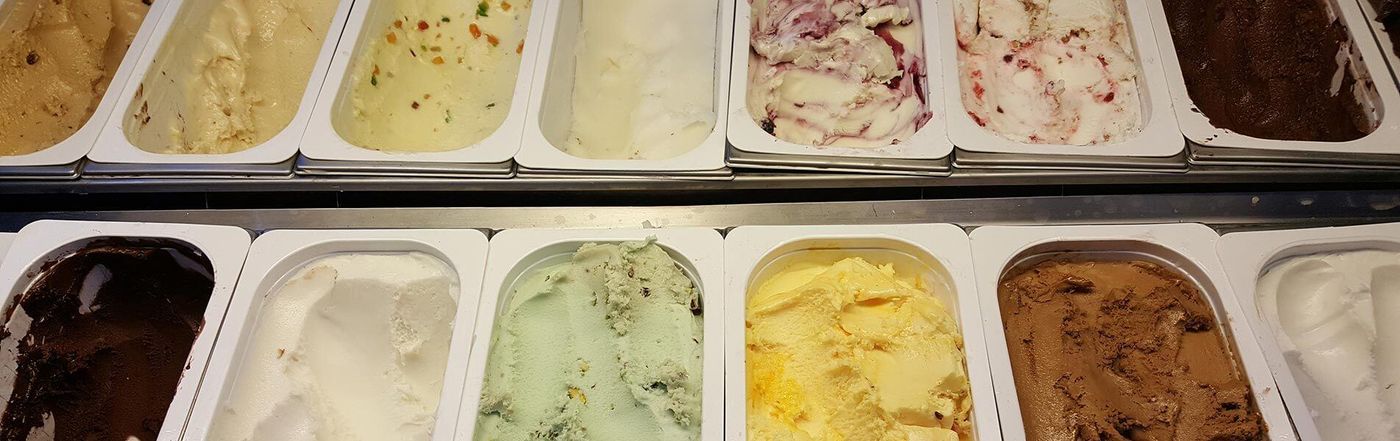
Χαρά
kaimaki · Νίκος Παπουτσής (founder, with Σταύρος Ζάγκος); now run by his son Σταύρος Παπουτσής and granddaughter Νικολέττα
Χαρά is the most fully documented politiko/kaimaki lineage in this guide: a named refugee grandmother, a recipe carried out of Constantinople in 1922, and an unbroken family line still serving it 57 years after the shop opened. It answers the city's stated question directly.
- 02
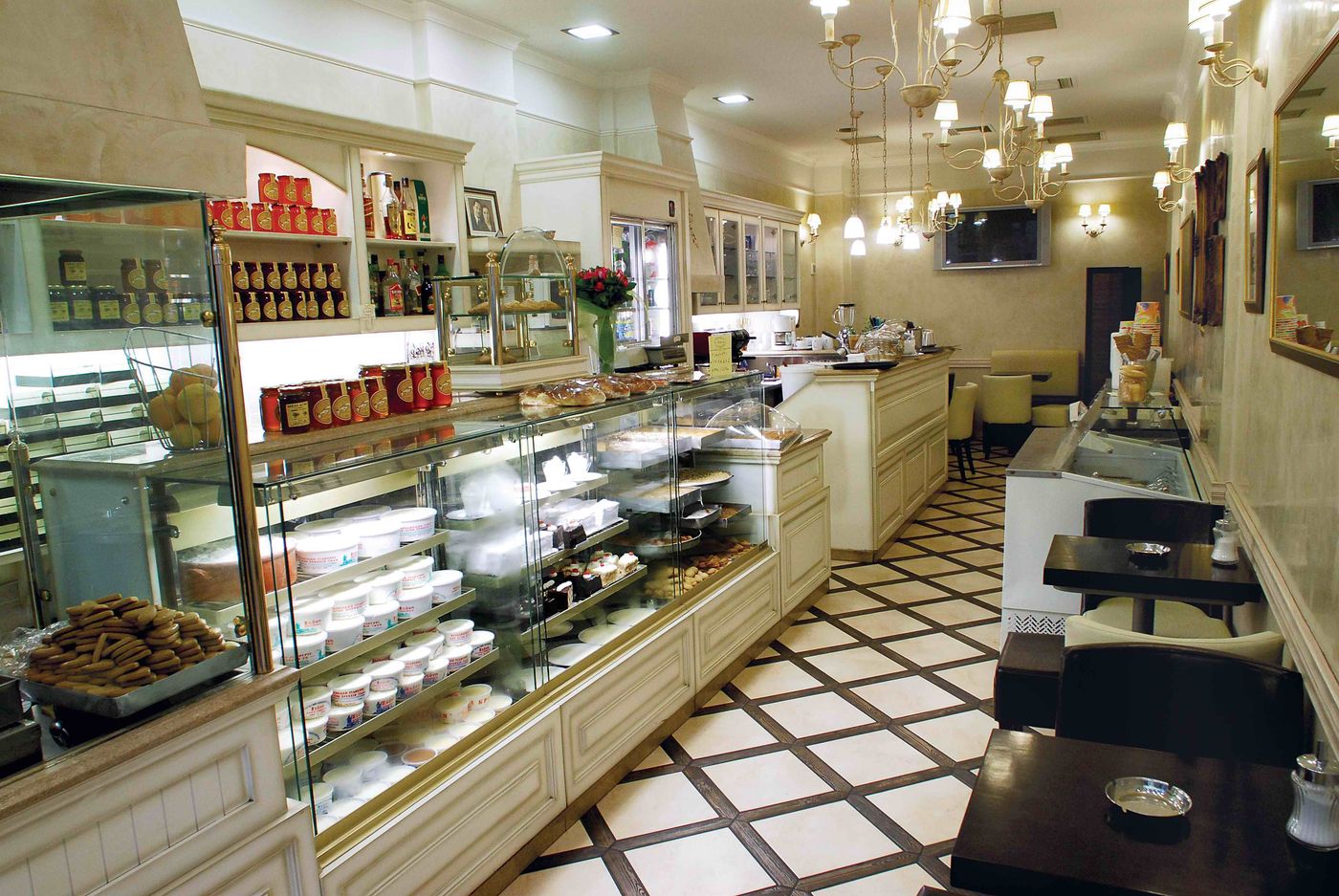
Στάνη
kaimaki · Θανάσης Καραγεώργος, current owner
One of the oldest continuously operating dairy shops in central Athens, and its kaimaki is called out by name and quality of ingredient in an opened, named-byline source — a real signal, not a listicle mention of a dairy shop that happens to also sell ice cream.
- 03
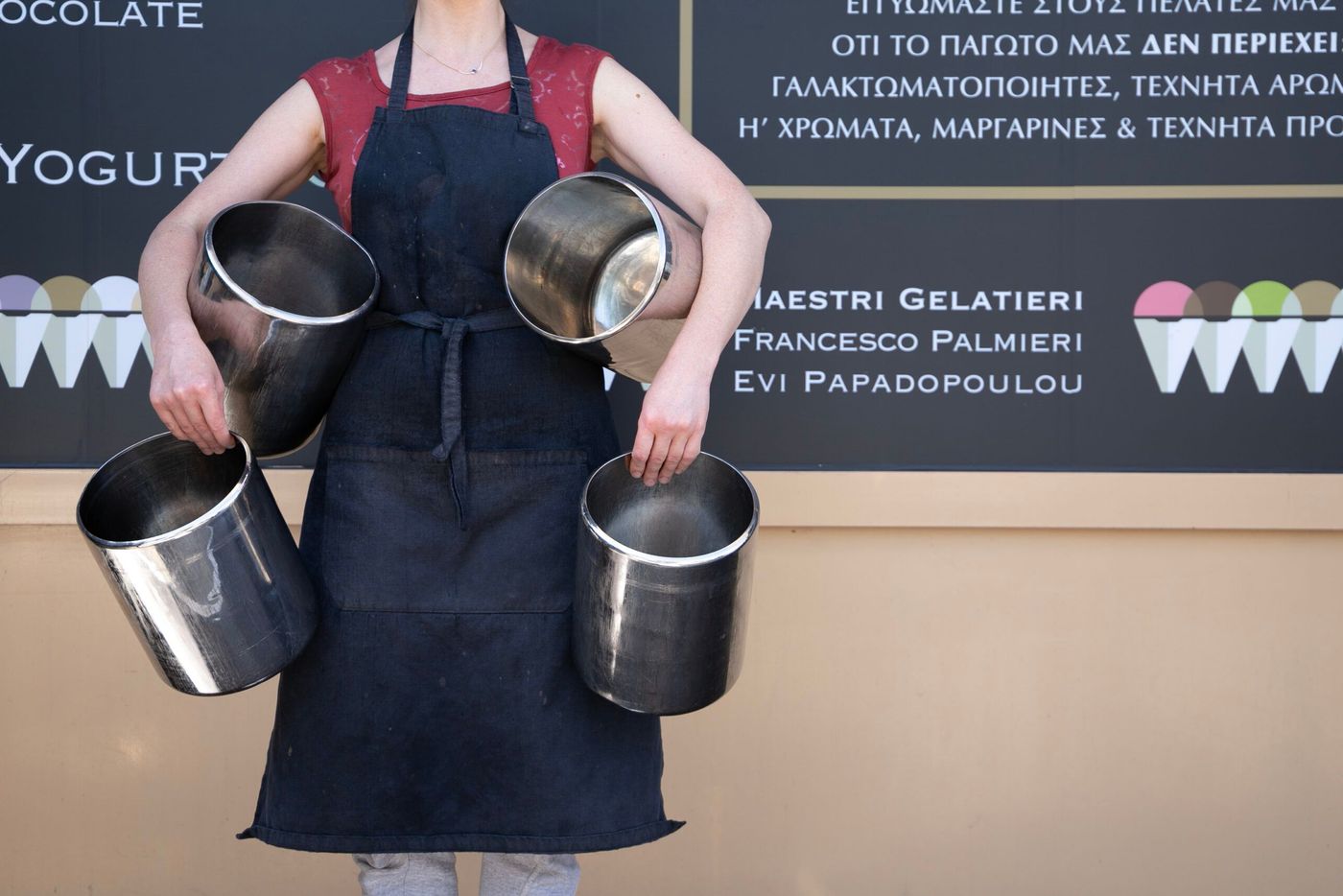
Le Greche
gelato · Εύη Παπαδοπούλου, founder, with Φώτης Αληφραγκής
This is the clearest documented case in this guide of an Italian-trained maker deliberately re-sourcing in Greek ingredients rather than importing — exactly the provenance question at issue here. The claim is specific (pistachio color, aroma, taste tied to Greek sourcing), not generic.
- 04
Django Gelato
gelato · Κωνσταντίνος Καρακατσάνης, founder
A specialist maker with two decades of single-location commitment on Syros before expanding to Athens — longevity and specialist-commitment signals both present, plus an organic/natural-ingredient claim tied to a named founder.
- 05
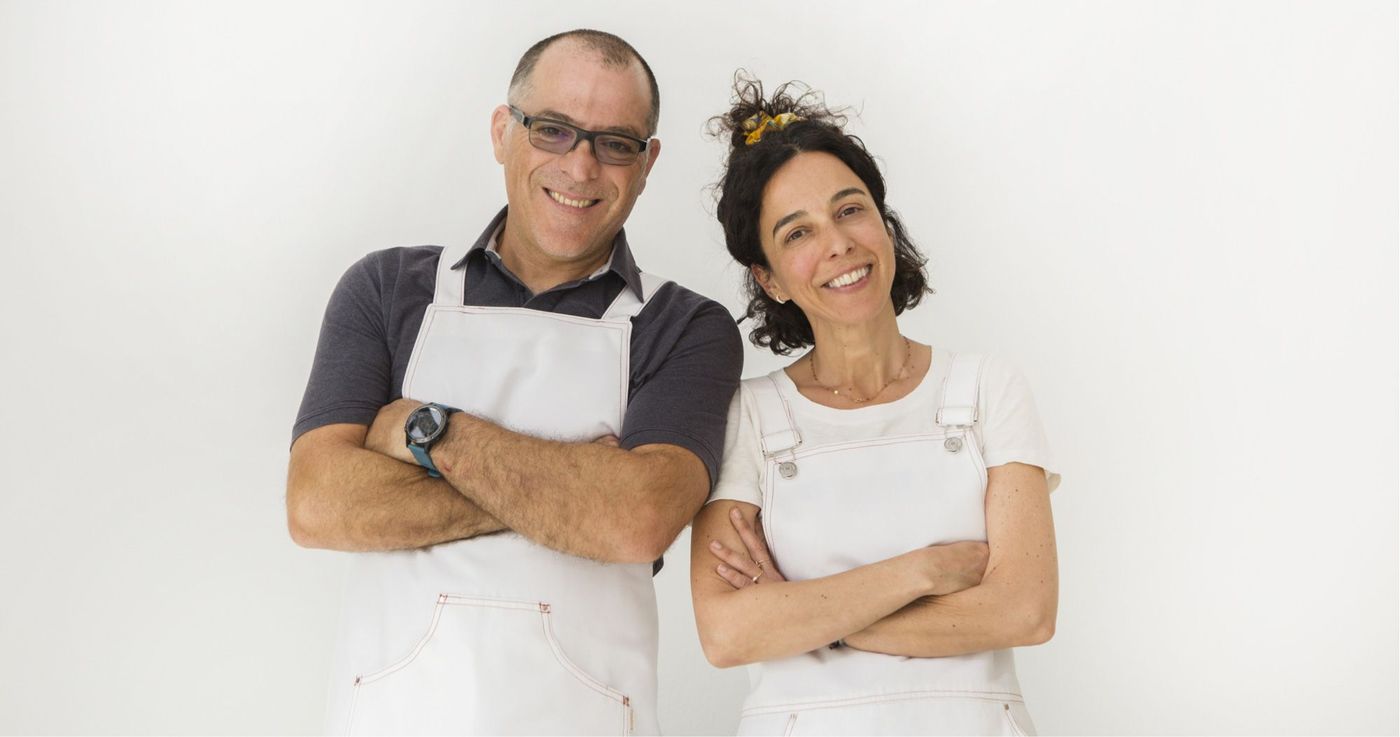
Μαραμπού (Maraboo)
gelato · Βίκυ, founder, trained in Rome, with Ιγκόρ
A small, single-site specialist with an explicit no-carryover production discipline and a documented, technique-specific variant on kaimaki (salep without mastic) that adds a real data point to the city's kaimaki question rather than repeating it.
Research notes
City boundary
The municipality of Athens. Piraeus, Kifisiá and Glyfáda are separate municipalities of Attica.