Italy
Venice
Can a city that lives on visitors still make anything for itself?
Venice is where the story of European gelato migration begins and, improbably, where almost none of that story is now visible in the shop windows tourists actually walk past. The comune's own food press treats a good gelateria in Venice as close to a contradiction: Dissapore's 2022 ranking of the area literally advises – “if you're looking for a good gelateria in Venice, it's better not to go to Venice” – and gives its top three placings to shops in Mirano, Mira and Caorle, all outside the comune boundary. What does survive inside the boundary is real but small: Gelateria Nico's gianduiotto on the Zattere since 1937, Carlo Pistacchi's thirty-eight years of saffron, ginger and red-onion gelato at Alaska in Santa Croce, and – across the water in Mestre – the Zanette twins' Chocolat, which has taken Gambero Rosso's Tre Coni for five straight years while a rival critic at Dissapore calls the same gelato mediocre. The Veneto is also where much of Europe's gelato diaspora actually trained: Domani's 2025 reporting on Zoldo Valley and Cadore families who carried gelato-making across the Alps to Germany and Austria from the 1880s notes they “probabilmente” learned to mantecare milk, sugar and ice in Venice itself before they left. Whether that inheritance still lives in the city that gave it away is the real question here, and the evidence says: only just.
Last checked 2026-08-21
The selected spots
6 selected
- 01
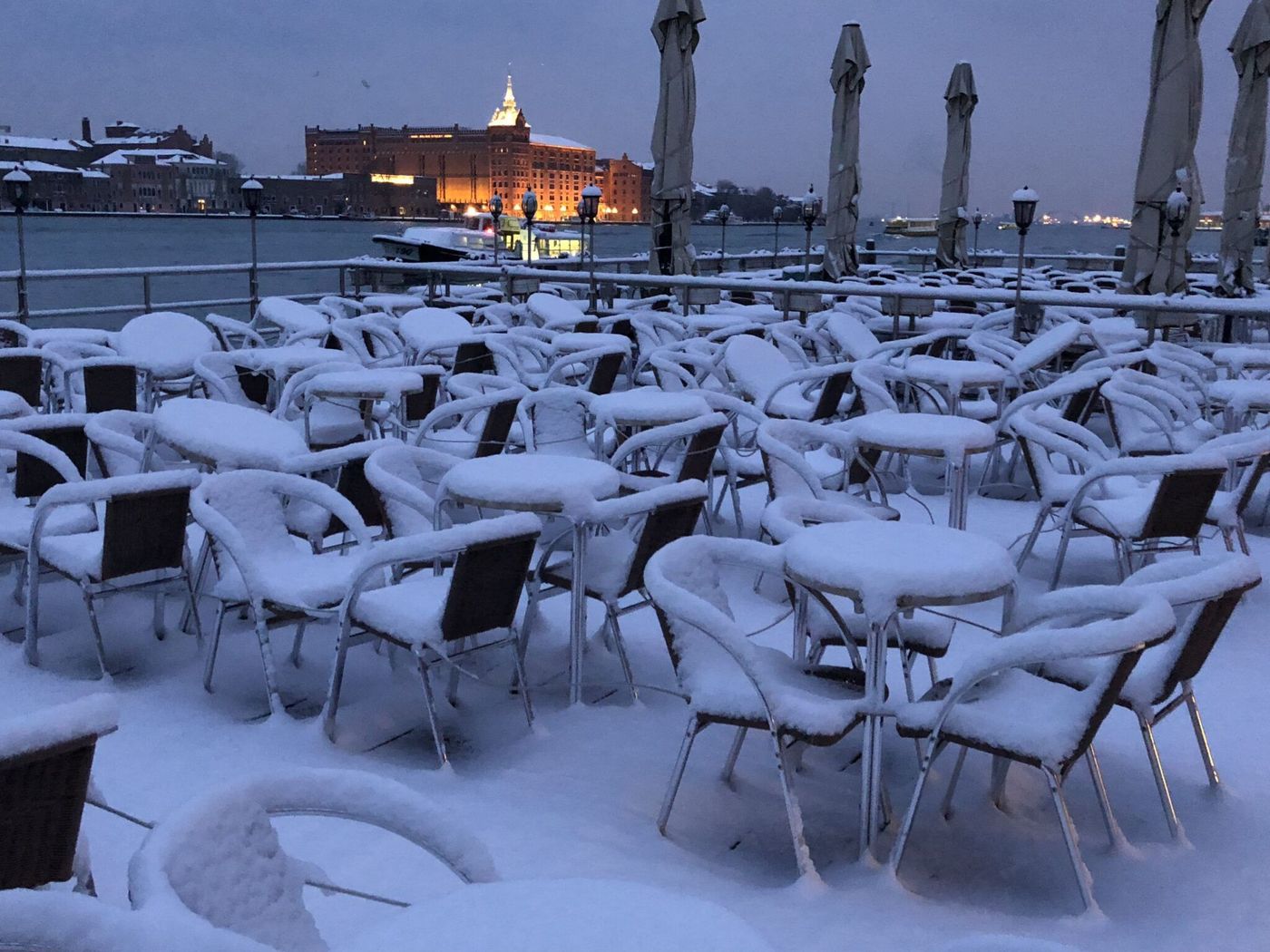
Gelateria Nico
gelato · Maurizio and Valter, current owners (named on the shop's own site); founded by Giovanni Causin, known as "Nico"
Nico is the one Venice gelateria every source – tourist and trade press alike – agrees is a real institution rather than a tourist trap wearing the word 'artigianale'. Its signature product has a documented, unchanged recipe and a still-named owning family.
- 02
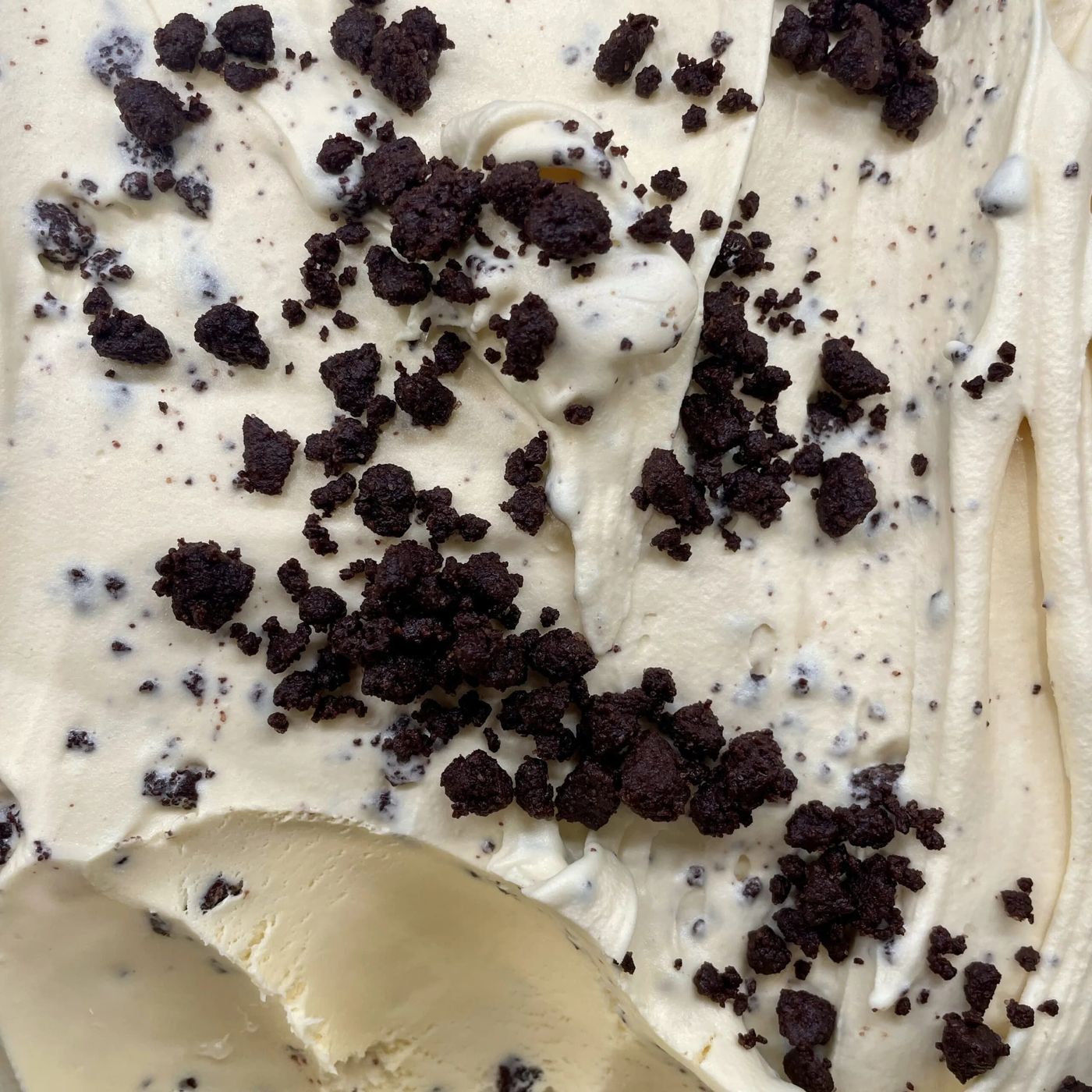
Gelatoteca Suso
gelato · Renato, founder (surname not recorded)
Suso is the clearest example in Venice of a specialist production philosophy – pastry technique applied to gelato, with a stated real-fruit percentage – rather than either heritage-institution status or generic tourist-facing flavours. Its own trade-press coverage explicitly frames its popularity as tourist-driven ('la gelateria di Venezia che fa impazzire i turisti'), which the record keeps rather than smooths over.
- 03
Il Pinguino di Aiko Barbazza
gelato · Aiko Barbazza, owner – Japanese mother, Venetian father; worked at the shop as an employee for nearly a decade before taking it over
Il Pinguino is one of the very few Venice candidates explicitly described as carrying a mostly local clientele – directly relevant to the city's central open question about whether a real local gelato scene survives.
- 04
Alaska
gelato · Carlo Pistacchi, owner-gelataio since 1987 (took over the shop, which had opened in the 1980s under a previous owner and name)
The strongest single-maker, ingredient-provenance case in Venice's historic centre: one person, one shop, named sourcing for specific ingredients, and a distinctive flavour identity independently confirmed across a decade-plus of press coverage.
- 05
La Mela Verde
gelato · Davide Venier, owner – previously worked in major Venetian hotels before opening the shop
La Mela Verde has the clearest on-site production claim of any historic-centre shop in this guide, from an independent trade-press source rather than the shop's own marketing, plus a named owner with a specific career story.
- 06
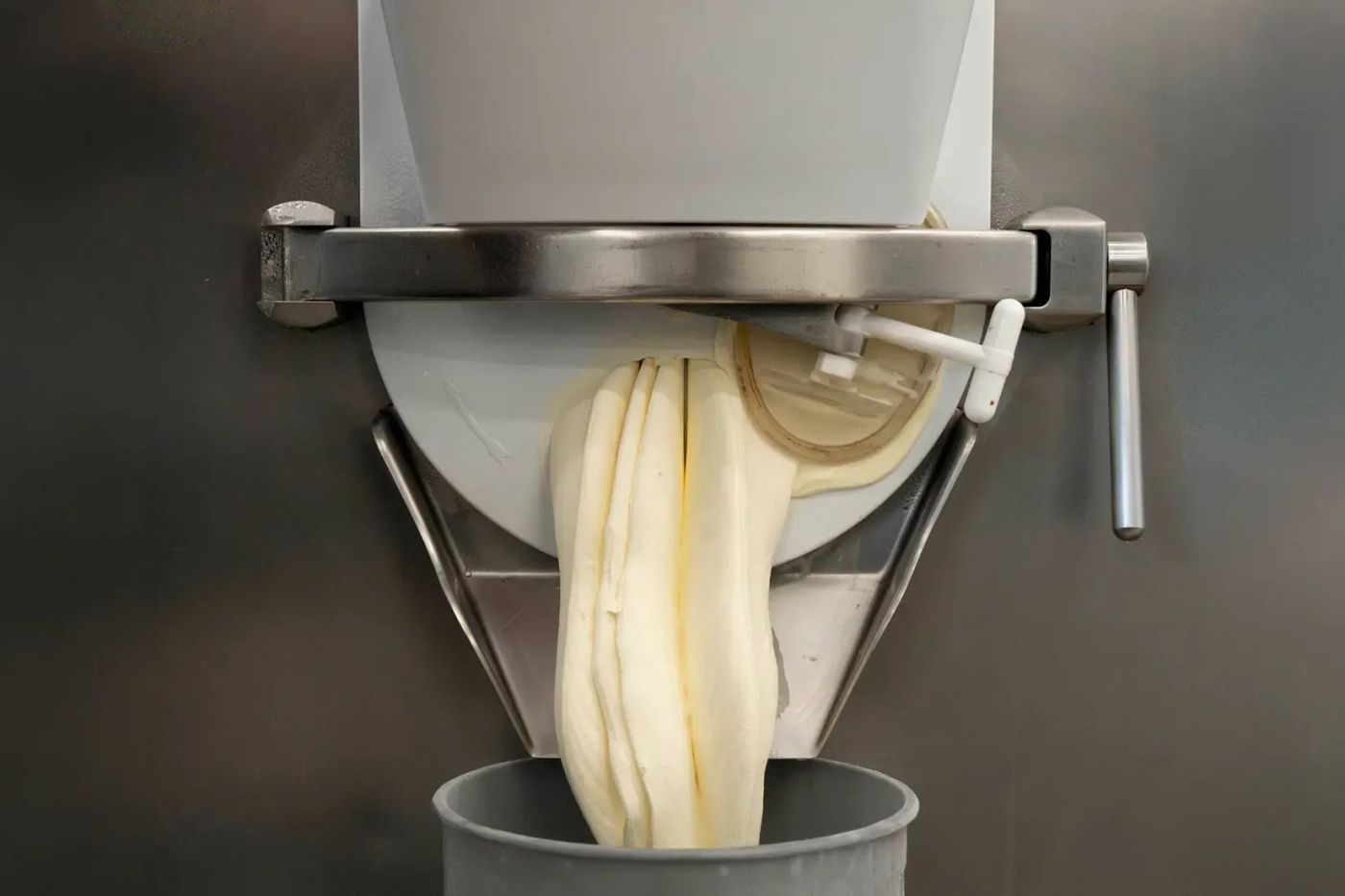
Chocolat
gelato · Claudio and Marco Zanette, twin brothers and founders
Chocolat is the single most professionally decorated gelato maker physically inside the comune of Venezia – and it is on the mainland, in Mestre, not the historic centre. That fact is the strongest, most concrete piece of evidence in this whole research pass for the city's central open question: whether the tourist-facing historic centre still makes anything for itself, versus the more workaday mainland producing the comune's most recognised gelato.
Research notes
City boundary
The comune of Venezia, including the historic centre and the islands. Mestre and Marghera are on the mainland and are part of the comune — say which side of the water a spot is on.