Türkiye
Istanbul
Can a completely different ice-cream culture redefine the category?
Istanbul's claim rests on a discipline this project has not had to weigh before: dondurma, cut and stretched rather than scooped, thickened with salep from a wild orchid tuber whose collection Turkey restricts and whose export it bans. That restriction is the real story. An academic review in the Chamber of Food Engineers' own journal puts wild collection at 45 to 180 million tubers a year despite the ban, and concludes cultivation is the only sustainable path; the country's largest dondurma brand is now growing its own salep on a Kahramanmaraş farm under a ten-year purchase guarantee to farmers, and by its own chairman's account is producing only 10 to 20 tons a year against demand it admits is not met. Inside the city, Bostancı's Dondurmacı Yaşar Usta has been buying real salep, sugar and milk since at least 2010 by a food writer's own account, and draws a direct comparison, from Turkey's most prominent restaurant critic, to Paris's Berthillon. A newer generation - Serez Dondurmacısı building its own formula from scratch, MUA and Girandola importing Florentine and Bolognese training - argues implicitly that Istanbul's ice-cream culture is now plural rather than singular. Whether that plurality strengthens or dilutes the one tradition Istanbul owns that no other city in this project has is the question Istanbul leaves open.
Last checked 2026-08-21
The selected spots
6 selected
- 01
Girandola Dondurma
gelato · Aslıhan (also given as 'Aslı') Eraltan, with her husband Ufuk
The clearest Istanbul example of Italian gelato technique deliberately re-purposed for Turkish dessert flavours rather than imported wholesale, carried over and strengthened from the existing unpublished record with a confirmed address and two additional corroborating sources.
- 02
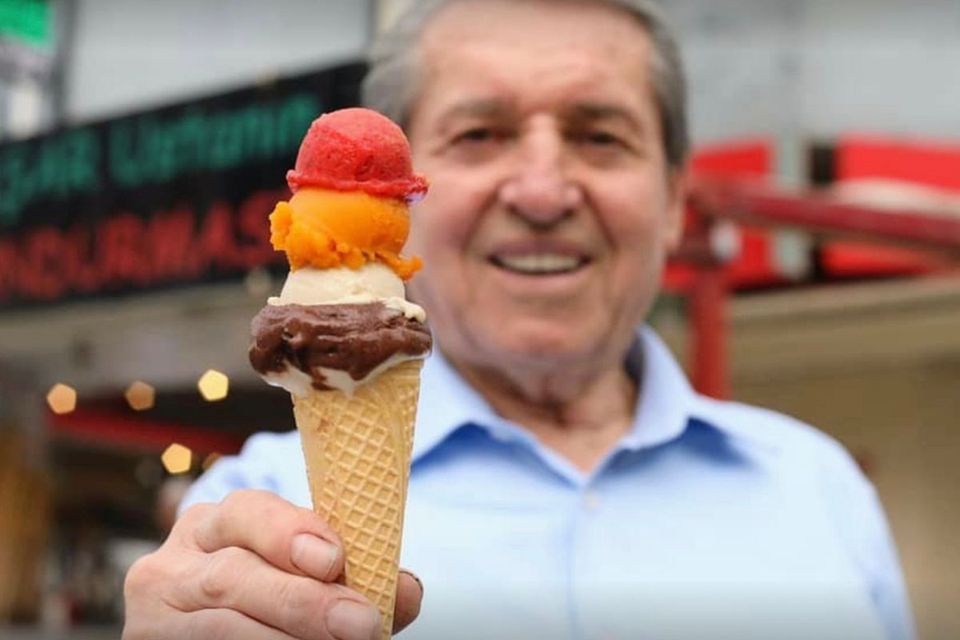
Dondurmacı Yaşar Usta
dondurma · Yaşar Usta, founder
The strongest documented case in Istanbul for a small, still-family-run dondurma shop using real salep rather than an industrial base, corroborated across three independent sources spanning 2010 to 2019, and the only Istanbul dondurma shop in this guide to carry an on-the-record professional comparison to a global reference point.
- 03
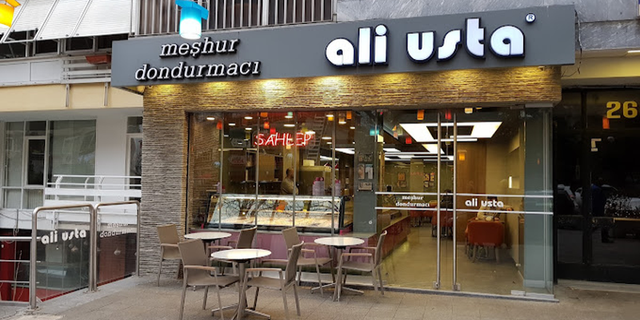
Meşhur Dondurmacı Ali Usta
dondurma · Ali Usta, founder; current operator not named in any source opened
The single most consistently named traditional dondurma shop in Istanbul across the local press I could open, with over 50 years of continuous trade on the same street and no evidence of expansion diluting the original.
- 04
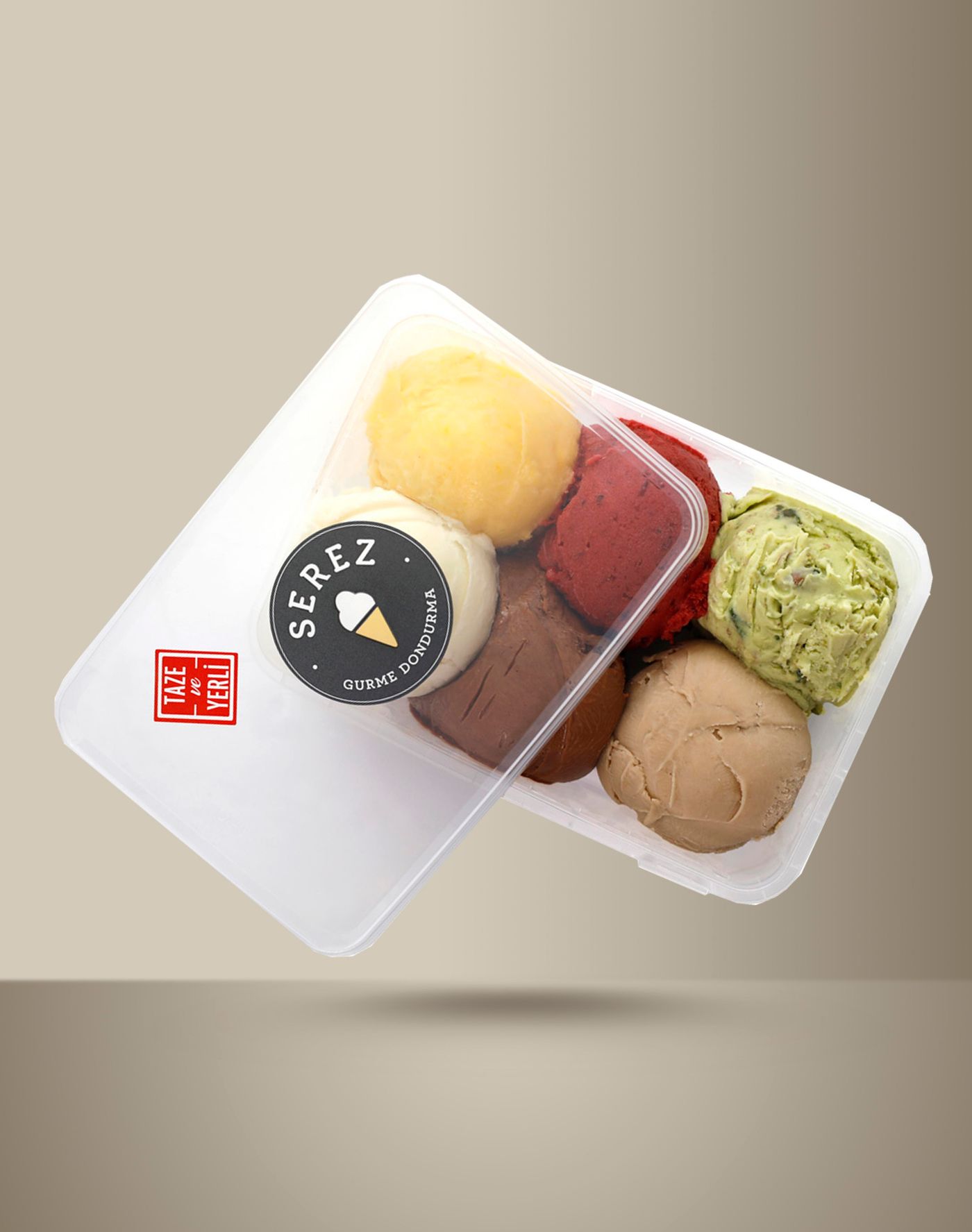
Serez Dondurmacısı
ice cream · Serdar Kemahlı, founder
The clearest documented case in Istanbul of a maker who built an ice-cream formula from first principles rather than inheriting one, and reasoned explicitly against industrial shortcuts.
- 05
Mini Dondurma
ice cream
A rare case of a 58-year-old Istanbul ice-cream shop that has deliberately stayed a single tiny location rather than franchising, with two flavours no other source reports finding anywhere else in the city.
- 06
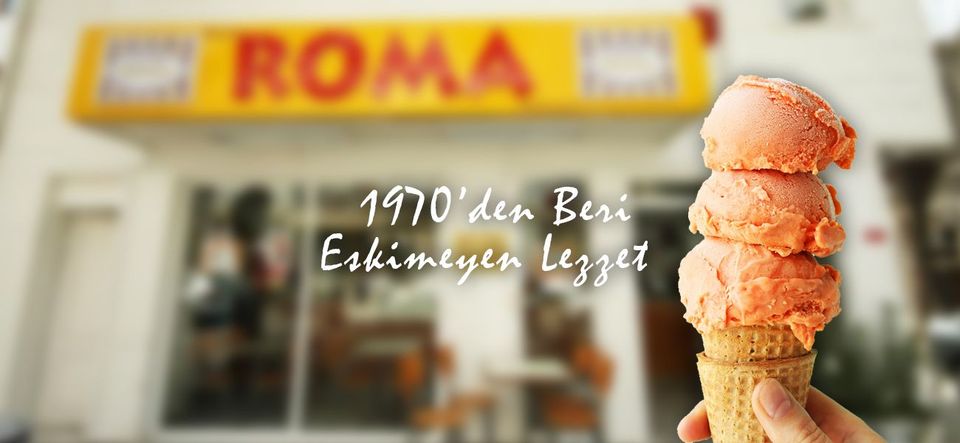
Yeşilköy Roma Dondurmacısı
ice cream · Family-run since founding; no individual named in any source opened
A 56-year-old, still family-run neighbourhood institution, useful chiefly as a counter-example: it shows how much of what Istanbul calls 'dondurma' is in fact unrelated Italian-style ice cream wearing local branding.
Research notes
City boundary
The province of Istanbul, both European and Anatolian sides. Alaçatı and other Aegean towns are separate cities.